How I Kept My Pregnancy Healthy Without Stress — Simple Prevention That Actually Works
Pregnancy is a journey full of excitement, but also real worries. I wanted to protect my baby and myself without overcomplicating things. Through doctor visits, research, and personal experience, I learned that small, consistent habits make a big difference in preventing common pregnancy-related health issues. This is not about perfection — it’s about practical, science-backed steps that fit real life. Let me share what truly helped me stay healthy, calm, and in control.
Understanding Common Health Risks During Pregnancy
Pregnancy brings profound changes to the body, many of which increase vulnerability to certain health conditions. Among the most common preventable complications are gestational diabetes, preeclampsia, and infections such as urinary tract infections (UTIs) and bacterial vaginosis. These conditions are not inevitable, but they do require awareness and proactive management. Gestational diabetes, for example, affects how cells use sugar and can lead to high blood pressure, early delivery, or larger birth weight, which may complicate labor. Preeclampsia, characterized by high blood pressure and signs of organ damage, typically appears after 20 weeks and can progress rapidly if not monitored.
Why does early awareness matter so much? Because the body undergoes hormonal, cardiovascular, and immune system shifts that, while natural, can create new risks. Blood volume increases by nearly 50%, placing added strain on the heart and circulatory system. Hormonal fluctuations can affect insulin sensitivity, making blood sugar regulation more challenging. The immune system is also subtly suppressed to prevent rejection of the fetus, which can make pregnant individuals more susceptible to infections. These changes mean that small imbalances, if left unaddressed, can escalate into more serious conditions.
Routine prenatal screenings play a crucial role in early detection. Blood pressure checks, urine tests, glucose tolerance tests, and ultrasounds are not just formalities — they are essential tools for identifying warning signs before symptoms become severe. For example, protein in the urine may be the first indicator of preeclampsia, while elevated fasting glucose levels can signal the onset of gestational diabetes. These tests, combined with open communication with a healthcare provider, allow for timely interventions that can prevent complications.
Listening to your body is equally important. While fatigue and mild swelling are common, persistent headaches, sudden swelling in the hands or face, vision changes, or decreased fetal movement are not normal and should be reported immediately. Prevention is far more effective than treatment in maternal health because many pregnancy-related conditions develop gradually and are easier to manage when caught early. By staying informed and vigilant, you empower yourself to respond quickly and appropriately, reducing the likelihood of emergency situations and supporting a smoother pregnancy journey.
Nutrition That Supports Immunity and Fetal Development
One of the most powerful tools for a healthy pregnancy is nutrition. What you eat directly influences fetal development, energy levels, immune function, and even mood. During pregnancy, the body’s demand for certain nutrients increases significantly. Iron supports the production of hemoglobin, which carries oxygen to the baby and helps prevent anemia. Folic acid, a B vitamin, is critical in the first trimester for preventing neural tube defects such as spina bifida. Protein is essential for building the baby’s tissues and organs, while hydration supports amniotic fluid levels, circulation, and digestion.
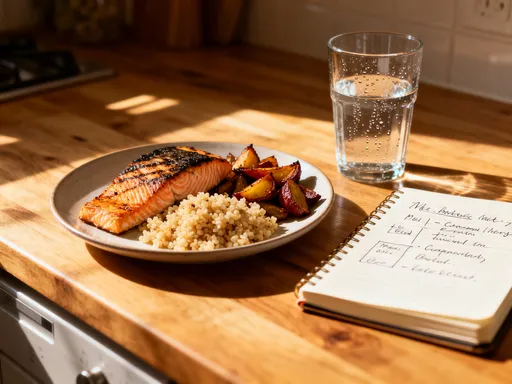
To reduce inflammation and lower the risk of infections, it’s important to focus on whole, unprocessed foods. I made simple swaps that had a big impact: replacing sugary snacks with fresh fruit and nuts, choosing whole grains over refined carbohydrates, and incorporating lean proteins like chicken, beans, and eggs into every meal. Processed foods often contain high levels of sodium, added sugars, and unhealthy fats, which can contribute to bloating, blood sugar spikes, and increased inflammation — all of which may raise the risk of complications like gestational diabetes and high blood pressure.
One of the most noticeable benefits of eating balanced meals was the stabilization of my energy and mood. Instead of experiencing the mid-afternoon crashes that used to leave me exhausted, I found that eating small, frequent meals with a mix of complex carbohydrates, healthy fats, and protein kept me feeling steady throughout the day. For example, a breakfast of oatmeal with berries and a boiled egg kept me full and focused, while a lunch of quinoa salad with chickpeas and vegetables provided sustained energy without heaviness.
Hydration also played a key role. I aimed for at least eight to ten glasses of water daily, sometimes adding lemon or cucumber for flavor. Staying well-hydrated helped prevent constipation, reduced the risk of UTIs, and supported healthy skin and circulation. I avoided unpasteurized dairy, raw fish, undercooked meat, and high-mercury fish like swordfish and shark, as these can carry harmful bacteria or toxins. By making thoughtful, consistent food choices, I not only supported my baby’s growth but also strengthened my own resilience during pregnancy.
The Power of Gentle, Consistent Movement
Staying physically active during pregnancy is one of the most effective ways to reduce the risk of complications. Regular movement improves circulation, helps regulate blood pressure, supports healthy weight gain, and enhances mood through the release of endorphins. Contrary to outdated beliefs, moderate exercise is not only safe but highly beneficial for most pregnant individuals. The key is consistency and choosing activities that are low-impact and adaptable to changing energy levels and physical comfort.
I found that walking was the easiest and most sustainable form of exercise. Starting with just 15 minutes a day, I gradually built up to 30-minute walks, usually in the morning when energy levels were highest. Walking outdoors also gave me a chance to get fresh air and sunlight, which boosted my vitamin D levels and improved my sleep. On days when going outside wasn’t possible, I used a treadmill or paced around the house while listening to calming music or a podcast. The goal wasn’t intensity — it was movement, rhythm, and connection to my body.
Prenatal yoga and daily stretching routines also became essential parts of my routine. These practices improved flexibility, reduced muscle tension, and helped me stay centered. Many prenatal yoga classes focus on breathwork and pelvic floor awareness, which are valuable skills for labor and delivery. I also incorporated gentle stretching before bed to relieve lower back pain and improve circulation in my legs, which helped reduce swelling and nighttime cramps.
One of the most unexpected benefits of regular movement was its impact on sleep quality. On days when I was active, I fell asleep more easily and experienced deeper, more restful sleep. Improved circulation also reduced the risk of blood clots and varicose veins, which are more common during pregnancy due to increased blood volume and pressure on the veins in the pelvis. By treating movement as self-care rather than a chore, I maintained a routine that supported both physical and emotional well-being.
Sleep and Stress: Hidden Factors in Disease Prevention
Sleep and emotional well-being are often overlooked aspects of prenatal health, yet they play a critical role in disease prevention. Poor sleep has been linked to weakened immune function, increased inflammation, and higher levels of stress hormones like cortisol. During pregnancy, these effects can contribute to complications such as preterm labor, gestational hypertension, and postpartum mood disorders. At the same time, anxiety and stress can disrupt sleep, creating a cycle that’s hard to break without intentional habits.
I realized that my sleep quality improved dramatically once I established a consistent nighttime routine. About an hour before bed, I dimmed the lights, turned off all screens, and avoided stimulating conversations or tasks. Instead, I practiced slow, deep breathing or listened to soft instrumental music. This signaled to my body that it was time to wind down. I also used a supportive pillow to align my spine and reduce pressure on my hips and lower back, making it easier to find a comfortable position.
Mindfulness techniques were another powerful tool for managing stress. I started with just five minutes a day of guided meditation, focusing on my breath and gently bringing my attention back whenever my mind wandered. Over time, this practice helped me become more aware of my thoughts and reactions, allowing me to respond to challenges with greater calm. For example, when I felt anxious about upcoming tests or delivery plans, I used grounding techniques — naming five things I could see, four I could touch, three I could hear, two I could smell, and one I could taste — to bring myself back to the present moment.
Emotional well-being is not separate from physical health — it is part of it. Chronic stress can affect blood pressure, digestion, and even fetal development. By prioritizing rest and emotional balance, I created a healthier internal environment for my baby. These practices didn’t eliminate all worries, but they gave me tools to manage them without feeling overwhelmed. Recognizing that it’s okay to rest, to say no, and to ask for help was a crucial step in protecting my overall wellness.
Smart Hygiene and Infection Prevention at Home
During pregnancy, the immune system is naturally more vulnerable, making infection prevention a daily priority. Simple hygiene practices can significantly reduce the risk of common illnesses like colds, flu, stomach bugs, and UTIs. One of the most effective habits I adopted was thorough handwashing — especially after using the bathroom, handling raw food, or being in public spaces. I used plain soap and warm water, scrubbing for at least 20 seconds, and made sure to dry my hands completely, as damp environments can harbor bacteria.
In the kitchen, I paid extra attention to food safety. I washed all fruits and vegetables under running water, even if I planned to peel them. I kept raw meats separate from ready-to-eat foods, used separate cutting boards, and cooked meat to the recommended internal temperatures. I avoided unpasteurized cheeses like brie and feta, as well as raw sprouts, which can carry harmful bacteria like listeria and E. coli. These precautions were especially important during the colder months when foodborne illnesses are more common.
Cleaning products were another area where I made mindful choices. I avoided harsh chemicals like bleach, ammonia, and products with strong fumes, opting instead for natural alternatives like vinegar, baking soda, and plant-based cleaners labeled safe for pregnancy. I ensured good ventilation by opening windows while cleaning and wore gloves to protect my skin. I also minimized my time in crowded places during flu season, especially in the third trimester, and politely declined invitations when I felt run down or needed rest.
These small, consistent actions created a safer environment for me and my baby. I didn’t become obsessive — I simply made informed choices that reduced risk without adding stress. By integrating hygiene into my daily routine, I felt more in control and protected, especially during times when illness was circulating in the community.
Staying Connected with Prenatal Care: Why Consistency Matters
Regular prenatal visits are one of the most important aspects of a healthy pregnancy. These appointments are not just about checking the baby’s growth — they are opportunities to monitor maternal health, address concerns, and build a relationship with a trusted provider. Each visit typically includes blood pressure measurement, urine testing, weight tracking, and fetal heartbeat monitoring, all of which help detect potential issues early.
I made it a point to prepare for each appointment by writing down questions and symptoms I wanted to discuss. This helped me stay focused and ensured I didn’t forget important details. I asked about test results, recommended screenings, and ways to manage common discomforts. I also shared how I was feeling emotionally, not just physically, because mental health is an integral part of prenatal care. Over time, this open communication built trust and made me feel like an active participant in my care.
Knowing when to seek help was another skill I developed. While some discomforts like mild cramping or occasional heartburn are normal, certain symptoms require immediate attention. These include severe abdominal pain, persistent vomiting, fever, fluid leakage, or a noticeable decrease in fetal movement. I learned to trust my instincts — if something felt off, I contacted my provider right away. Early intervention can prevent minor issues from becoming serious complications.
Consistency in prenatal care also meant attending every scheduled appointment, even when I felt fine. Skipping visits might seem harmless, but each one provides valuable data that helps track progress and identify trends. By staying engaged and informed, I felt more confident and prepared throughout my pregnancy.
Building a Supportive Environment for Long-Term Wellness
A healthy pregnancy is not just an individual effort — it’s supported by the environment around you. My partner and family played a vital role in helping me maintain healthy habits. They learned about pregnancy nutrition and joined me in eating balanced meals. My partner took over grocery shopping to ensure we had healthy options at home, and my mother helped prepare meals when I was too tired to cook. This kind of support made it easier to stick to good habits without feeling isolated or overwhelmed.
I also focused on creating a home environment that encouraged rest and positivity. I kept the bedroom calm and clutter-free, used soft lighting, and played soothing music. I limited exposure to stressful news or conversations, especially in the evening, and set boundaries around work and social commitments. Saying no to extra responsibilities was not selfish — it was necessary for protecting my energy and well-being.
Establishing routines early also helped me prepare for the postpartum period. I practiced simple self-care habits like drinking water first thing in the morning, taking short walks, and scheduling quiet time. These small acts built a foundation for lasting wellness that extended beyond pregnancy. I knew the early weeks with a newborn would be demanding, so I wanted to enter them with healthy patterns already in place.
By building a supportive network and environment, I didn’t just survive pregnancy — I thrived. The habits I developed weren’t temporary fixes; they became lasting choices that continue to benefit me and my family. Wellness isn’t about perfection — it’s about progress, presence, and purpose.
Pregnancy doesn’t have to mean fear or confusion. By focusing on simple, daily actions, I felt empowered rather than overwhelmed. Disease prevention isn’t about extreme measures — it’s about consistency, awareness, and self-care. These choices didn’t just protect my pregnancy; they built a foundation for lasting health. Every small step counts, and you’re already doing better than you think.