What I Learned About Eating Right While on Medication – Real Talk
Managing health with medication is tough, but what you eat can make a real difference. I’ve been there—juggling pills, side effects, and confusion about food choices. Over time, I learned how meals impact treatment, energy, and recovery. This isn’t medical advice, just my journey. But understanding dietary guidance during medication treatment changed everything. It’s not about perfection—it’s about smarter, simpler choices that support your body while healing.
The Hidden Challenge: How Medication Changes Your Relationship with Food
When someone begins a medication regimen, the focus often lands squarely on the pills—what time to take them, how many, and whether they’re working. Rarely does the conversation begin with food, yet what you eat can quietly shape how well those medications function. Many common prescriptions, from antibiotics to blood pressure drugs, alter the way your body processes nutrients. Some reduce appetite, while others trigger cravings. Certain medications cause dry mouth, nausea, or changes in taste, making meals feel like chores instead of comforts. These aren’t signs of weakness or lack of willpower—they’re physiological responses, often predictable and manageable once recognized.
The science behind drug-nutrient interactions is more complex than most realize. Medications can interfere with the absorption of essential vitamins and minerals. For example, long-term use of proton pump inhibitors, often prescribed for acid reflux, may reduce the body’s ability to absorb vitamin B12 and magnesium. Similarly, some diuretics used for heart conditions can deplete potassium levels, increasing the risk of muscle cramps and fatigue. These shifts don’t happen overnight, but over weeks or months, they can quietly undermine energy, mood, and healing. Recognizing these patterns allows for proactive adjustments, such as incorporating potassium-rich foods like bananas or sweet potatoes, under medical guidance.
Equally important is understanding that side effects like bloating, constipation, or sudden fatigue are not personal failures. They are signals from the body that something has changed. A woman taking antidepressants might notice increased carbohydrate cravings, not because she lacks discipline, but because the medication affects serotonin pathways that influence appetite. A person on corticosteroids for inflammation may retain fluid and gain weight, despite eating carefully. These experiences are common, yet often isolating. Normalizing them reduces shame and opens the door to practical solutions. Mindful eating—paying attention to hunger cues, eating slowly, and choosing nourishing foods—can restore a sense of control. The goal isn’t to eliminate side effects completely, but to respond with knowledge and kindness.
Why What You Eat Matters More When On Pills
Medication and nutrition are not separate tracks—they run on the same path. When aligned, they support each other. When out of sync, they can create unnecessary strain. Consider this: some medications must be taken with food to prevent stomach irritation, while others require an empty stomach for optimal absorption. Missing these details can reduce effectiveness or increase discomfort. For instance, nonsteroidal anti-inflammatory drugs (NSAIDs) like ibuprofen are best taken with a small meal or snack to protect the stomach lining. On the other hand, thyroid medications are most effective when taken on an empty stomach, typically 30 to 60 minutes before breakfast, to ensure full absorption.
One of the most well-documented food-drug interactions involves grapefruit. This fruit, and its juice, contains compounds that interfere with enzymes in the liver responsible for breaking down certain medications. As a result, drug levels in the blood can rise to unsafe levels. This interaction affects medications used for cholesterol, high blood pressure, and some mental health conditions. The risk isn’t limited to fresh grapefruit—grapefruit juice and even some citrus blends can pose the same threat. While not all medications are affected, the potential is significant enough that many healthcare providers recommend avoiding grapefruit entirely when on prescription drugs.
Beyond specific interactions, overall diet quality plays a quiet but powerful role. A balanced intake of nutrients supports liver and kidney function—organs that process and eliminate medications. When the body is well-nourished, it handles treatment more efficiently. Hydration is equally critical. Many medications are metabolized through the kidneys, and adequate water intake helps flush byproducts without overburdening these organs. Even something as simple as consistent meal timing can stabilize blood sugar, which in turn helps manage energy and mood—especially important for those on medications that affect the nervous system. These habits don’t replace medical treatment, but they create a foundation that allows it to work as intended.
My Daily Plate: Building a Simple, Supportive Diet
When managing health with medication, the idea of a perfect diet can feel overwhelming. The truth is, perfection isn’t the goal—consistency and balance are. A supportive daily plate doesn’t require gourmet cooking or expensive ingredients. It’s about making intentional choices that provide energy, aid healing, and reduce strain on the body. The foundation of this approach includes four key components: protein, complex carbohydrates, healthy fats, and fiber. Each plays a distinct role in recovery and daily function.
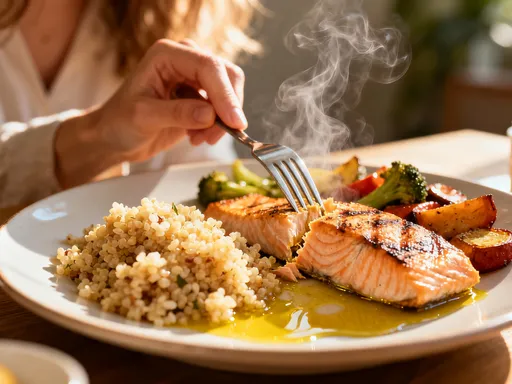
Protein is essential for tissue repair and immune support. It also helps maintain muscle mass, which can decline during periods of illness or inactivity. Good sources include lean meats, eggs, beans, lentils, tofu, and low-fat dairy. For those with reduced appetite, smaller, frequent servings of protein—such as a boiled egg at breakfast, a handful of nuts mid-morning, or a small portion of grilled fish at dinner—can add up without feeling heavy. Complex carbohydrates, like oats, brown rice, quinoa, and whole grain bread, provide steady energy. Unlike refined sugars, which cause spikes and crashes, these foods release glucose slowly, helping to maintain focus and mood stability.
Healthy fats, particularly those rich in omega-3 fatty acids, support brain health and reduce inflammation. Fatty fish like salmon and mackerel, walnuts, flaxseeds, and chia seeds are excellent sources. Even olive oil and avocados, used in moderation, contribute to a heart-healthy diet. Fiber, found in fruits, vegetables, legumes, and whole grains, promotes digestive regularity—a common concern for those on medications that slow gut motility. A gradual increase in fiber, paired with adequate water, can prevent bloating and discomfort.
Meal timing also matters, especially when coordinated with medication schedules. For example, taking a medication that causes drowsiness at night? A light, balanced dinner may prevent indigestion and support restful sleep. If a drug needs to be taken with food, planning a small, nutritious snack—like yogurt with berries or whole grain toast with peanut butter—ensures compliance without overeating. The goal is flexibility, not rigidity. A supportive diet adapts to individual needs, preferences, and energy levels, making it sustainable over time.
Foods That Help – And Those That Don’t
Not all foods are created equal when you’re on medication. Some support healing, while others can interfere with treatment or worsen side effects. Processed foods high in added sugars and sodium are among the most common culprits. Sugary snacks and drinks can cause blood sugar fluctuations, increasing fatigue and irritability—symptoms that may already be present due to medication. High-sodium meals, often found in canned soups, frozen dinners, and fast food, can contribute to fluid retention and elevated blood pressure, complicating conditions like heart disease or kidney issues.
In contrast, whole, minimally processed foods offer natural support. Leafy greens like spinach and kale are rich in vitamins A, C, and K, as well as folate and fiber. Berries—blueberries, strawberries, raspberries—are packed with antioxidants that help combat inflammation. Nuts and seeds provide healthy fats, protein, and essential minerals like magnesium and zinc. These foods don’t act as medicine, but they create an internal environment where medicine can work more effectively.
Reading labels is a simple but powerful habit. Many packaged foods contain hidden sugars, sodium, and unhealthy fats. Terms like “low-fat” or “diet” can be misleading—such products often compensate with added sugar or artificial ingredients. Choosing items with short ingredient lists, recognizable components, and minimal processing helps avoid unintended consequences. For example, a plain oatmeal packet without added sugar is a better choice than a flavored version with multiple sweeteners and preservatives. Similarly, fresh or frozen vegetables without sauce are preferable to canned versions loaded with salt.
It’s also wise to be cautious with herbal supplements and so-called “superfoods” that claim to boost health. Some, like St. John’s wort, can interfere with antidepressants, birth control, and other medications. Even green tea extract, often marketed for energy and metabolism, may affect liver enzymes involved in drug processing. When in doubt, it’s best to consult a healthcare provider before adding any supplement to your routine. The safest path is to focus on food first—real, nourishing, and balanced—rather than chasing quick fixes.
Hydration and Digestion: The Overlooked Pillars
Water is one of the most underappreciated elements of health, especially when taking medication. Many drugs require adequate hydration for proper absorption and distribution in the body. Dehydration can concentrate medications in the bloodstream, increasing the risk of side effects. It can also impair kidney function, slowing the elimination of drug metabolites. For those on diuretics or medications that cause fluid loss, maintaining hydration is even more critical. Yet, thirst signals can dull with age or be masked by other symptoms, making it easy to fall behind.
Aim for consistent, gradual water intake throughout the day. Starting with a glass upon waking, having one with each meal, and carrying a reusable bottle can make a noticeable difference. Herbal teas, broths, and water-rich foods like cucumbers, oranges, and soups also contribute to fluid balance. However, it’s important to time water intake around medication. Drinking a large glass right before or after certain pills can dilute stomach acid or speed up digestion, potentially reducing absorption. A general rule is to take medication with a full glass of water, then resume normal hydration after a short interval—unless otherwise directed by a doctor.
Digestive issues like constipation and bloating are common but rarely discussed side effects of many medications, including pain relievers, antacids, and some psychiatric drugs. These symptoms can be uncomfortable and discouraging, but they’re often manageable with dietary adjustments. Increasing fiber intake slowly—adding one serving of vegetables or whole grains every few days—allows the gut to adapt without excessive gas or cramping. Pairing fiber with water enhances its effectiveness, helping stool move smoothly through the digestive tract.
Physical activity, even light walking, also supports digestion. Movement stimulates the muscles of the intestines, promoting regularity. For those with limited mobility, seated stretches or gentle yoga can provide similar benefits. Probiotic-rich foods like plain yogurt, kefir, sauerkraut, and kimchi may also support gut health, though they should be introduced gradually, especially if digestion is sensitive. The key is consistency over intensity—small, daily habits that support the body’s natural rhythms.
Planning Ahead: Staying Consistent Without Stress
One of the biggest challenges in eating well during treatment is consistency. On good days, meal planning feels manageable. On tough days—when fatigue, nausea, or emotional strain take over—nutrition often falls by the wayside. This is where preparation becomes a form of self-care. Simple strategies like batch-cooking, keeping healthy snacks on hand, and creating a flexible grocery list can reduce decision fatigue and prevent reliance on convenience foods.
Meal prep doesn’t have to mean cooking every meal for the week. It can be as simple as roasting a tray of vegetables, cooking a pot of quinoa, or hard-boiling a few eggs to use as quick additions to meals. Having frozen fruits for smoothies, canned beans for soups, and whole grain wraps for easy sandwiches ensures that nutritious options are always within reach. Labeling containers with dates helps manage freshness, and portioning meals in advance supports mindful eating.
Grocery shopping with a list—preferably after eating—reduces impulse buys and keeps focus on nourishing choices. Organizing the kitchen so that healthy foods are visible and accessible—like placing a bowl of fruit on the counter or keeping cut vegetables at eye level in the fridge—encourages better decisions. Using calendars or reminder apps to align meal times with medication schedules can also improve adherence. For example, setting a gentle alert for lunchtime can prompt not just eating, but eating something balanced.
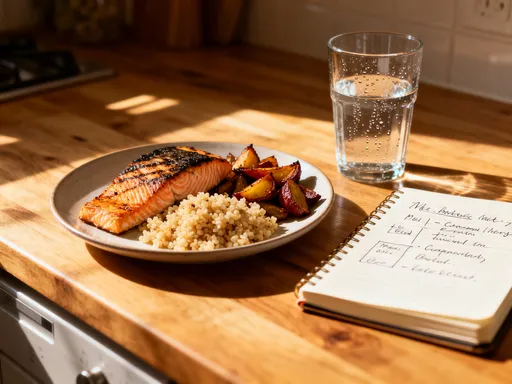
Equally important is emotional awareness. Stress, boredom, or sadness can trigger emotional eating, especially when coping with a health challenge. Recognizing these patterns doesn’t mean judgment—it means compassion. Keeping a journal to note eating habits and moods can reveal triggers and help develop alternative responses, like taking a short walk, calling a friend, or practicing deep breathing. The goal isn’t to eliminate comfort foods entirely, but to include them mindfully, without guilt, as part of a balanced approach.
When to Talk to Your Doctor – And What to Ask
No article, blog, or personal story can replace professional medical guidance. While learning about nutrition during medication use is empowering, it must be done in partnership with healthcare providers. Doctors, pharmacists, and registered dietitians are valuable allies in this journey. They can clarify specific food-drug interactions, assess for nutrient deficiencies, and offer personalized recommendations based on medical history, current medications, and lab results.
It’s important to bring up dietary concerns during appointments. Questions like “Are there any foods I should avoid with my medication?” or “Could my fatigue be related to a nutrient deficiency?” are not only valid—they’re essential. Other useful questions include: “Should I take any supplements?” “Is my current diet supporting my treatment goals?” and “How can I manage side effects like nausea or constipation through food?” Writing these down beforehand ensures they’re not forgotten in the moment.
Pharmacists, often overlooked in this conversation, are medication experts. They can explain how and when to take prescriptions, highlight potential interactions, and advise on over-the-counter products. A quick check with the pharmacist before adding a new supplement or changing diet habits can prevent unintended consequences. Similarly, a dietitian can help create a realistic eating plan tailored to individual needs, especially for those with multiple health conditions or complex medication regimens.
Finally, it’s important to remember that progress, not perfection, is the goal. Healing takes time. There will be days when eating well feels impossible, and that’s okay. What matters is the overall pattern—the commitment to listening to your body, making informed choices, and seeking support when needed. Small, consistent steps add up. Celebrating them—whether it’s drinking more water, adding a serving of vegetables, or simply taking medication with a nutritious snack—builds confidence and resilience. This journey isn’t about control. It’s about care.