What I Learned About Fasting and Food Pairing That Actually Works
Intermittent fasting isn’t just about skipping meals—it’s about timing and food choices that support your body’s natural rhythm. I used to struggle with energy crashes and slow progress until I focused on what I ate during eating windows, not just when. Combining the right nutrients made a real difference. This guide shares science-backed dietary combinations that enhance fasting benefits—no hype, just practical insights that helped me feel stronger, sharper, and more in control.
The Hidden Challenge of Intermittent Fasting (Beyond Skipping Meals)
Many people begin intermittent fasting with high expectations: weight loss, increased energy, better focus. Yet, over time, some find themselves battling persistent hunger, afternoon fatigue, or a plateau in progress. The frustration often comes not from failing the fast itself, but from overlooking what happens during the eating window. Fasting creates a metabolic environment conducive to fat burning and cellular repair, but without strategic food choices, those benefits can be undermined.
The human body operates on complex hormonal and metabolic signals. Insulin, the hormone responsible for managing blood sugar, plays a pivotal role in whether the body burns fat or stores it. When fasting, insulin levels drop, allowing stored fat to be released and used for energy. However, breaking the fast with a meal high in refined carbohydrates or added sugars can trigger a rapid spike in insulin, effectively halting fat burning and returning the body to storage mode. This means that even if someone fasts for 16 hours, one poor meal can disrupt the metabolic balance they worked hard to achieve.
Another common issue is muscle loss, particularly when protein intake is inadequate. During extended fasting periods, the body may begin to break down muscle tissue for energy if it doesn’t receive enough amino acids from food. This is especially concerning for women over 30, who naturally experience a gradual decline in muscle mass and metabolic rate. Without sufficient protein during eating windows, fasting can inadvertently accelerate this process, leading to weaker muscles, lower energy, and a slower metabolism over time.
Moreover, many individuals underestimate the role of micronutrients during feeding periods. Vitamins and minerals such as magnesium, vitamin D, and B-complex vitamins are essential for energy production, immune function, and hormonal balance. A diet lacking in nutrient-dense foods can leave the body depleted, even if calorie intake appears adequate. This deficiency often manifests as brain fog, irritability, or disrupted sleep—symptoms that may be mistaken for fasting side effects when they are actually signs of poor nutritional quality.
Why Dietary Combination Matters More Than You Think
It’s not enough to simply count calories or track macronutrients in isolation. What truly influences metabolic health is how different nutrients interact within a meal. This concept, known as food synergy, refers to the enhanced biological effect that occurs when certain foods are consumed together. For example, eating vitamin C-rich vegetables with iron-containing plant foods like spinach increases iron absorption, while pairing healthy fats with fat-soluble vitamins (A, D, E, K) improves their utilization in the body.
One of the most impactful food pairings involves combining carbohydrates with protein or fat. Refined carbohydrates—such as white bread, pastries, or sugary cereals—are quickly broken down into glucose, causing a sharp rise in blood sugar followed by a crash. This rollercoaster effect leads to cravings, fatigue, and increased hunger. However, when carbohydrates are consumed alongside protein or healthy fats, the digestion process slows down. Fiber, particularly soluble fiber found in vegetables, legumes, and whole grains, forms a gel-like substance in the gut that delays glucose absorption, resulting in a more gradual and stable rise in blood sugar.
Protein plays a dual role in this process. First, it increases satiety by stimulating the release of hormones like peptide YY and GLP-1, which signal fullness to the brain. Second, it helps maintain lean muscle mass, which is crucial for sustaining a healthy metabolic rate. Studies have shown that higher-protein diets lead to greater fat loss and better preservation of muscle during weight loss efforts. When protein is included in post-fast meals, it also helps prevent overeating by reducing hunger and promoting a sense of satisfaction.
Healthy fats, such as those found in avocados, nuts, seeds, and olive oil, contribute to long-lasting energy and support hormone production. They also help regulate inflammation and improve insulin sensitivity over time. A meal composed solely of carbohydrates may provide short-term energy, but adding a source of fat ensures that energy is released steadily, avoiding the mid-afternoon slump many people experience. This balanced approach aligns with the body’s natural rhythm, supporting metabolic efficiency rather than working against it.
My Go-To Meal Framework During Eating Windows
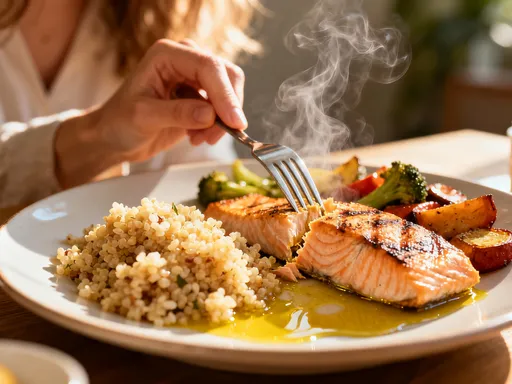
Consistency is easier when there’s a clear structure to follow. After experimenting with various eating patterns, I adopted a simple plate model recommended by registered dietitians and supported by clinical research: half the plate filled with non-starchy vegetables, one-quarter with lean protein, one-quarter with complex carbohydrates, and a small portion of healthy fat. This framework is flexible enough to accommodate different preferences and cultural cuisines while ensuring nutritional balance.
Non-starchy vegetables—such as leafy greens, broccoli, zucchini, bell peppers, and cauliflower—are low in calories but rich in fiber, antioxidants, and essential nutrients. They add volume to meals, helping you feel full without excess calories. Their high water and fiber content support digestion and promote a healthy gut microbiome, which plays a role in weight management and immune function. Including a variety of colors ensures a broad spectrum of phytonutrients, each offering unique health benefits.
Lean protein sources include skinless poultry, fish, eggs, tofu, Greek yogurt, and legumes. These foods provide all essential amino acids needed for tissue repair and enzyme production. For women managing hormonal changes, adequate protein intake supports skin elasticity, hair strength, and overall vitality. I aim for at least 20–30 grams of protein per meal, especially in the first meal after fasting, to kickstart muscle maintenance and reduce appetite.
Complex carbohydrates like quinoa, sweet potatoes, brown rice, oats, and whole-grain bread release glucose slowly into the bloodstream, preventing insulin spikes. Unlike refined grains, they retain their bran and germ, providing fiber, B vitamins, and minerals. These nutrients are critical for energy metabolism and nervous system function. I adjust portion sizes based on activity level—larger portions on days with more physical movement, smaller ones on rest days.
A modest amount of healthy fat completes the meal. One tablespoon of olive oil, a quarter of an avocado, or a small handful of nuts adds richness and satisfaction. These fats enhance the absorption of fat-soluble vitamins and help regulate hunger hormones. Over time, this balanced approach has made me more attuned to my body’s signals, reducing impulsive eating and improving meal satisfaction.
Foods That Sabotage Your Fast (And What to Choose Instead)
Not all foods are created equal when it comes to fasting. Some items may seem harmless or even “healthy,” but they can trigger an insulin response that disrupts the fat-burning state achieved during fasting. The most common culprits are processed foods high in added sugars, refined grains, and artificial ingredients. These include flavored yogurts, breakfast cereals, granola bars, and sweetened plant-based milks, which are often marketed as diet-friendly but can spike blood sugar just like soda.
Sugary beverages are particularly problematic. Even fruit juices, which contain natural sugars, lack the fiber found in whole fruits and can cause rapid glucose absorption. Drinking a glass of orange juice at the end of a fast may feel refreshing, but it can lead to an energy crash within an hour. Instead, choosing whole fruit—such as a small apple or a handful of berries—provides the same sweetness along with fiber, which moderates the sugar’s impact.
Refined carbohydrates like white bread, pasta, and pastries are quickly converted to glucose, leading to insulin surges. Swapping these for whole-grain alternatives not only stabilizes blood sugar but also increases satiety. For example, replacing white rice with cauliflower rice or quinoa significantly reduces the glycemic load of a meal while adding nutrients and fiber. Similarly, choosing steel-cut oats over instant oatmeal slows digestion and provides longer-lasting energy.
Another hidden trap is “fasting-friendly” products such as keto cookies, protein bars, or meal replacement shakes. While convenient, many of these items contain sugar alcohols, maltodextrin, or other additives that can still affect insulin levels or cause digestive discomfort. Reading ingredient labels is essential. A better strategy is to focus on whole, single-ingredient foods—those that don’t require a label at all, like vegetables, eggs, nuts, and fresh fish. These foods are naturally nutrient-dense and less likely to interfere with fasting goals.
Timing Nutrients: When to Eat What
Even nutritious foods can have different effects depending on when they’re consumed. Aligning meal composition with your body’s circadian rhythm and daily activity patterns can enhance energy, improve digestion, and support fat metabolism. The post-fast meal is especially important, as it sets the tone for the rest of the day.
Breaking the fast with a meal rich in protein and fiber helps prevent overeating and supports muscle recovery. After hours without food, the body is primed to rebuild and repair. A breakfast of scrambled eggs with spinach and tomatoes, for example, provides high-quality protein, antioxidants, and fiber—all without spiking insulin. Including a small amount of healthy fat, such as olive oil or avocado, further enhances satiety and nutrient absorption.
Lunch can include a balance of all macronutrients, tailored to energy needs. If the afternoon involves mental work or physical activity, including complex carbohydrates ensures a steady supply of glucose to the brain and muscles. A salad with grilled chicken, quinoa, mixed vegetables, and a vinaigrette dressing is both satisfying and metabolically supportive. The key is to avoid large, heavy meals that cause drowsiness, which can occur when too many refined carbs are consumed at once.
Dinner should be aligned with evening activity and sleep goals. Since metabolic rate naturally slows in the evening, large portions of carbohydrates may be stored rather than burned, especially if followed by inactivity. However, completely eliminating carbs at night is not necessary or sustainable for most people. Instead, adjusting portion size based on daily movement is more effective. On active days, a modest serving of sweet potato or brown rice can aid recovery. On less active days, emphasizing vegetables and protein helps maintain balance without excess calorie intake.
Hydration and timing of fluids also matter. Drinking water throughout the day supports digestion and helps distinguish true hunger from thirst. Herbal teas, such as peppermint or chamomile, can be soothing in the evening without disrupting sleep. Caffeine, on the other hand, is best consumed earlier in the day, as it can interfere with sleep quality even when ingested six hours before bedtime.
Real Results: What Changed for Me (And What Might for You)
After six months of combining intermittent fasting with intentional food pairing, the changes were not dramatic overnight, but they were meaningful. My energy levels became more consistent—no more 3 p.m. crashes or reliance on coffee to stay alert. I found myself thinking more clearly, making decisions with greater focus, and feeling more emotionally balanced throughout the day.
Digestion improved significantly. Bloating and discomfort after meals decreased, likely due to increased fiber intake and reduced consumption of processed foods. I also noticed better skin clarity and stronger nails, which I attribute to improved nutrient absorption and reduced inflammation. Weight loss was gradual—about one to two pounds per week—but it was sustainable and came without the constant hunger that accompanied previous diets.
One of the most surprising benefits was a shift in my relationship with food. Instead of viewing meals as something to restrict or fear, I began to see them as opportunities to nourish and support my body. I stopped obsessing over the scale and started paying attention to how I felt—whether I had energy, slept well, and enjoyed my meals. This mindset shift made the routine feel less like a diet and more like a lifestyle.
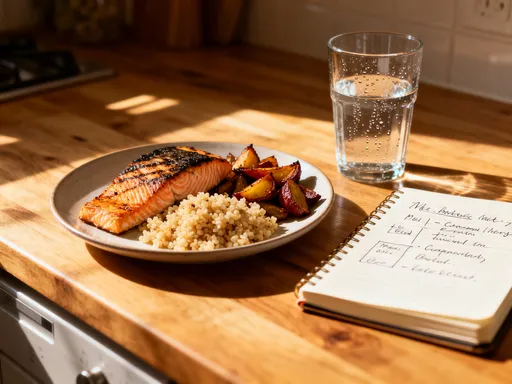
It’s important to note that results vary from person to person. Hormonal fluctuations, stress levels, sleep quality, and activity patterns all influence outcomes. What worked for me may need adjustment for someone else. The key is observation: keeping a simple journal to track meals, energy levels, and mood can reveal patterns and guide personalized improvements. There is no universal “perfect” plan—only what works best for your body and life.
Building a Sustainable Routine: Flexibility Over Perfection
Long-term success in health is not about rigid rules or flawless execution. It’s about creating a routine that fits your life, not one that controls it. Flexibility allows for occasional deviations without guilt—whether it’s enjoying a slice of birthday cake, dining out with family, or adjusting meal times during travel. These moments don’t ruin progress; they make the routine realistic and maintainable.
Listening to your body’s signals is crucial. Hunger, fullness, and energy levels provide real-time feedback that no app or plan can fully replicate. Eating slowly, chewing thoroughly, and pausing mid-meal to assess satisfaction help prevent overeating and improve digestion. Mindful eating fosters a deeper connection with food and reduces the tendency to eat out of boredom or stress.
Social situations often challenge eating routines, but preparation can ease the transition. If attending a dinner party, eating a small, balanced snack beforehand can prevent arriving overly hungry and making impulsive choices. At the meal, focusing on protein and vegetables first, then adding carbs in moderation, helps maintain balance. The goal is not perfection, but progress—making slightly better choices most of the time.
Finally, letting go of the all-or-nothing mindset is essential. Missing a fasting window or eating a less-than-ideal meal doesn’t mean failure. What matters is the overall pattern. Consistency over time, not daily perfection, leads to lasting change. Health is not a destination, but a continuous practice of care, awareness, and kindness toward oneself.
Intermittent fasting becomes truly powerful when combined with thoughtful eating. It’s not about restriction alone, but about choosing foods that work with your body’s rhythms. By focusing on balanced combinations, timing, and sustainability, you create a lifestyle that supports energy, clarity, and long-term well-being. This isn’t a quick fix—it’s a smarter way to eat, one meal at a time.