Lost in the Wild Beauty of Stavanger
Nestled on Norway’s rugged southwest coast, Stavanger isn’t just a gateway to the fjords—it’s a launchpad for raw, untouched nature. Few places offer such immediate access to landscapes that feel both ancient and alive. Here, moss-covered cliffs rise from crystal waters, silent forests stretch beyond sight, and ocean views are so sharp they seem to reset the soul. This is exploration at its purest: no crowds, just trails that lead to waterfalls, sea caves, and mountain peaks whispering your name. If you crave natural beauty that inspires awe without fanfare, Stavanger delivers—quietly, powerfully, completely.
Why Stavanger? Beyond Oil and Old Towns
Often recognized as Norway’s oil capital, Stavanger holds a quieter, more enduring identity—one rooted in nature. While its modern economy thrives on energy, its soul pulses with the rhythm of tides and wind. Located where the North Sea meets dramatic highlands, the city serves as a natural bridge between urban convenience and wild terrain. Just minutes from downtown, hikers can stand at trailheads that lead into untouched forests and along cliff-lined coasts. This duality makes Stavanger uniquely appealing: travelers enjoy café culture and historic charm in Old Stavanger, then within half an hour, find themselves in landscapes that feel centuries removed from modern life.
The city’s location is key to its outdoor appeal. Positioned along the fjord-rich southern coast, Stavanger provides direct access to some of Norway’s most celebrated natural wonders, including Lysefjord and the surrounding national parks. Unlike more remote regions that require long drives or flights, Stavanger’s proximity to these sites allows for day trips that feel both adventurous and manageable. This accessibility has made it a favorite among families, solo travelers, and seasoned hikers alike. The rise of nature-based tourism—where travelers seek meaningful, immersive experiences over passive sightseeing—has only amplified Stavanger’s relevance. People no longer want to just see nature; they want to feel it, walk through it, breathe it in. Stavanger offers exactly that.
Moreover, the city itself respects its natural surroundings. Green spaces are woven into the urban fabric, and public transportation connects seamlessly with trail networks. Local culture embraces outdoor living, with Norwegians’ deep-rooted tradition of friluftsliv—open-air life—shaping everything from school programs to weekend routines. Visitors quickly absorb this ethos, finding themselves swapping shopping malls for mountain paths without resistance. In Stavanger, nature isn’t an escape from the city; it’s an extension of it.
Preparation: Gearing Up for Norwegian Nature
Exploring Stavanger’s wild landscapes requires thoughtful preparation, not because the terrain is inherently dangerous, but because the weather is famously changeable. One moment, the sun may shine over the fjords; the next, a mist rolls in, turning trails damp and slippery. The key to comfort and safety lies in proper layering. A moisture-wicking base layer, an insulating mid-layer like fleece, and a high-quality waterproof outer shell form the foundation of any hiking outfit. These simple principles protect against wind, rain, and sudden temperature drops—common conditions even in summer.
Footwear is equally important. Sturdy hiking boots with ankle support and reliable traction are essential, especially on rocky or uneven paths. Trails like Preikestolen and Kjerag involve steep ascents and exposed edges, where a misstep could lead to injury. Waterproof boots help keep feet dry during wet crossings or morning dew-soaked grass. Socks matter too—wool or synthetic blends prevent blisters better than cotton, which retains moisture and increases friction.
Navigation tools have evolved, but the basics remain vital. While smartphone apps like Norgeskart or ut.no provide detailed trail maps and real-time updates, they should never replace physical preparation. Carrying a paper map and compass is still wise, especially in areas with limited signal. Many trails are well-marked, but fog or snow can obscure signs. Downloading offline maps and checking battery levels before departure ensures technology supports rather than hinders the journey.
Local resources enhance preparedness. The Stavanger Tourist Information Center offers up-to-date trail conditions, shuttle schedules, and safety tips. Ranger stations near major trailheads provide insights into recent wildlife sightings or trail closures. Websites maintained by the Norwegian Trekking Association (DNT) list accommodation options, including mountain cabins that can be reserved in advance. Checking weather forecasts through Yr.no, Norway’s trusted meteorological service, allows travelers to adjust plans proactively. Preparation isn’t about fear—it’s about respect. When visitors equip themselves properly, they honor the land and ensure their experience remains joyful, not jeopardized.
Pulpit Rock (Preikestolen): The Iconic Starting Point
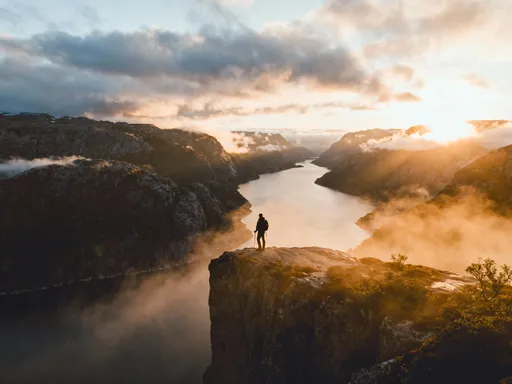
No visit to Stavanger is complete without encountering Preikestolen, the towering cliff that has become synonymous with Norwegian wilderness. Rising 604 meters above the serene waters of Lysefjord, this flat-topped plateau offers one of the most photographed views in Scandinavia—and for good reason. The hike begins at Preikestolen Mountain Lodge, where a well-maintained trail winds through pine forests, over granite slabs, and along narrow ridges. The crunch of gravel underfoot, the scent of damp earth, and the occasional call of a distant bird create a sensory rhythm that calms the mind long before the summit is reached.
The trail spans approximately 8 kilometers round-trip and takes most hikers 4 to 5 hours, depending on pace and rest stops. While moderately challenging, it is accessible to people of various fitness levels, including older adults and older children. Switchbacks reduce the strain of elevation gain, and clear signage guides the way. As the path ascends, glimpses of the fjord appear between trees, teasing the full view to come. Then, suddenly, the forest opens, and there it is: the vast, open cliff face stretching into the sky, with nothing but air between you and the water far below.
Standing on Preikestolen evokes a profound stillness. The wind rushes across the plateau, carrying the salt of the sea and the silence of centuries. Below, Lysefjord snakes through the landscape like a ribbon of liquid glass. On clear days, the view extends for miles, revealing layered mountains and distant islands. Despite its popularity—drawing over 250,000 visitors annually—the site retains a sense of solitude. Many arrive early in the morning or later in the afternoon, avoiding the midday crowds. Sunrise hikes, in particular, offer a magical experience, as golden light spills over the fjord, transforming the rock into a glowing stage.
What makes Preikestolen enduringly powerful is not just the view, but the journey. Each step upward becomes a form of meditation, a deliberate movement away from noise and distraction. The physical effort deepens the emotional reward. Unlike attractions that can be seen from a car window or cable car, Preikestolen demands participation. You must earn the vista. This sense of accomplishment—of having walked, climbed, and arrived under your own power—is central to its appeal. It reminds travelers that beauty worth seeing is often beauty worth working for.
Kjerag and the Hidden Gems of Lysefjord
If Preikestolen represents accessibility, Kjerag embodies adventure. Located deeper within Lysefjord, this mountain trail is steeper, longer, and more demanding, appealing to those seeking a greater challenge. The round-trip hike covers about 11 kilometers and gains over 1,000 meters in elevation, typically taking 6 to 8 hours. The path climbs relentlessly through boulder fields and narrow passes, often shrouded in mist, offering few flat sections to catch your breath. Yet, for those who undertake it, Kjerag delivers an experience that feels almost mythical.
The highlight is Kjeragbolten, a massive boulder wedged perfectly in a mountain crevice over 984 meters above the fjord. Glaciers placed it there thousands of years ago, and time has not moved it since. Standing on the rock—arms stretched, heart pounding—is a rite of passage for many hikers. Unlike Preikestolen, which offers a broad, stable platform, Kjeragbolten is narrow and exposed, amplifying the thrill. While not recommended for those with a fear of heights, it symbolizes the raw, untamed spirit of Norwegian nature.
Yet Kjerag is more than just a photo opportunity. The journey itself unfolds like a story, with each section revealing new textures: lichen-covered stones, icy meltwater streams, and sudden clearings where the fjord reappears in breathtaking glimpses. The trail passes through zones of ecological transition, from coastal scrub to alpine tundra, showcasing the resilience of life in harsh conditions. Hardy plants cling to cracks in the rock, and ptarmigans sometimes dart across the path, blending perfectly with their surroundings.
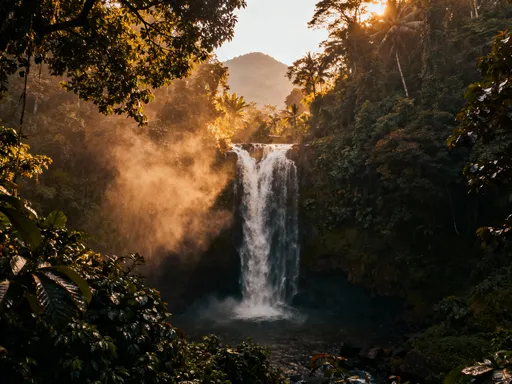
For those who prefer to explore the fjord from the water, boat tours and kayaking offer equally stunning perspectives. Daily ferries travel the length of Lysefjord, docking at small settlements like Forsand and Lysebotn. These vessels glide past vertical cliffs where waterfalls cascade like silver threads, some visible only from the sea. Kayaking tours, meanwhile, allow for intimate encounters with nature—paddling quietly beneath overhanging rocks, hearing the echo of dripping water, or spotting seals basking on remote skerries. These experiences reveal the fjord’s hidden dimensions, inaccessible by foot but no less powerful.
Beyond the Fjords: Forests, Islands, and Coastal Trails
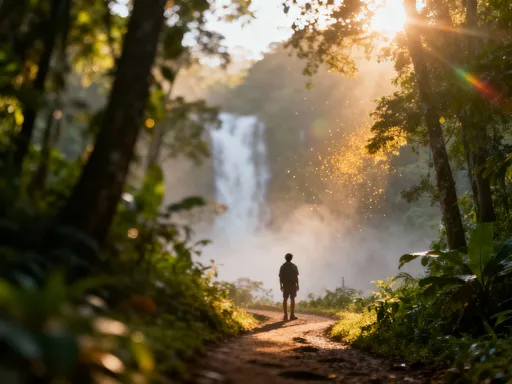
While the fjords draw the most attention, Stavanger’s true depth lies in its diversity. Just beyond the well-trodden paths are forests, islands, and coastal trails that offer peace, solitude, and a different kind of beauty. The archipelago surrounding the city—reachable by local ferries—hosts quiet fishing villages, sandy coves, and trails that wind through birch groves and wildflower meadows. Places like Hundvåg, Sola, and Vikevåg provide easy access to shoreline paths where the rhythm of waves replaces the noise of traffic.
One such gem is Byrkjedalstunet, a forested valley just a short drive from the city center. Here, wooden boardwalks cross marshlands alive with birdsong, while footpaths climb gently into pine forests scented with resin. In autumn, the ground glows with fallen needles, and mushrooms sprout in hidden clearings. This area is ideal for families or those seeking a gentler pace. Interpretive signs along the trail describe local flora and fauna, turning a simple walk into a quiet education in ecology.
The islands of the archipelago each have their own character. Some, like Mosterøy and Ombo, are dotted with historic churches and old farmsteads, linking nature with cultural heritage. Others, like Utsira—reachable by ferry—are known for birdwatching, hosting migratory species that pause on their long journeys. These islands offer a slower rhythm of life, where time is measured by tides and seasons rather than clocks. Walking along a deserted beach at low tide, with oyster catchers calling in the distance, feels like stepping into another world.
Seasonal changes further enrich the experience. Spring brings bursts of color as anemones and wood sorrel bloom. Summer offers long daylight hours, perfect for evening strolls or midnight picnics. Autumn paints the landscape in gold and crimson, while winter—though colder—transforms trails into serene, snow-blanketed paths. Each season invites a different kind of connection, reminding visitors that nature is never static, but constantly renewing itself.
Connecting with Nature: Mindful Exploration Over Checklist Tourism
In an age of constant connectivity, Stavanger’s landscapes offer something rare: the chance to disconnect in order to reconnect. Too often, travel becomes a checklist—visit this site, take that photo, move on. But in places like Lysefjord or the coastal forests, a different approach yields deeper rewards. Mindful exploration—moving slowly, pausing often, and engaging the senses—can transform a hike into a form of meditation. It’s not about how many peaks you summit, but how fully you inhabit each moment.
Many who spend time in Stavanger’s wild spaces report a shift in mental clarity. The absence of screens, notifications, and urban noise creates space for reflection. The sound of wind in the trees, the feel of cool rock under your palm, the sight of light shifting across water—these small sensations anchor the mind in the present. Environmental psychology supports this: studies show that time in nature reduces stress, improves focus, and enhances emotional well-being. The effect is not mystical, but physiological—nature resets the nervous system.
For mothers, caregivers, and women managing busy households, this kind of respite is especially valuable. The demands of daily life—cooking, organizing, nurturing—can leave little room for personal renewal. A walk through a quiet forest or a ferry ride along a silent fjord becomes more than recreation; it becomes restoration. There is no agenda, no expectation. You are not needed elsewhere. In that stillness, a sense of self can re-emerge, unburdened by roles or responsibilities.
This is the quiet power of Stavanger’s wilderness. It does not shout for attention. It does not dazzle with spectacle alone. Instead, it invites presence. It asks only that you show up, breathe deeply, and notice. And in that noticing, many find not just peace, but a renewed sense of purpose.
Sustainable Exploration: Respecting the Wild
The beauty of Stavanger’s natural areas depends on the care of those who visit them. Norway has long embraced the principle of allemannsretten—the right to roam—which grants public access to uncultivated land. But with this freedom comes responsibility. Visitors are expected to leave no trace: carry out all waste, avoid picking plants, and stay on marked trails. These practices protect fragile ecosystems and ensure that future generations can enjoy the same pristine landscapes.
Respecting wildlife is equally important. Reindeer, foxes, and numerous bird species call these areas home. Observing them from a distance, without feeding or approaching, maintains their natural behaviors. Dogs, if brought along, should remain leashed, especially during nesting seasons. Even seemingly small actions—like carving initials into rock or straying off-path to get a better photo—can have lasting impacts on soil stability and plant life.
Local conservation efforts play a vital role. Organizations like the Norwegian Society for the Conservation of Nature (Naturvernforbundet) work to protect habitats and promote sustainable tourism. Some trails are periodically closed for restoration, allowing vegetation to recover from heavy use. Visitors can support these efforts by following guidelines, donating to environmental groups, or volunteering during clean-up events. Choosing eco-friendly accommodations and using public transport or shuttles reduces the carbon footprint of travel.
Sustainability is not about perfection, but intention. It means choosing to act with care, even when no one is watching. When travelers embody this mindset, they become stewards of the land, not just guests. And in doing so, they help preserve the very qualities that make places like Stavanger so extraordinary.
Conclusion: Stavanger as a Portal to the Primal
Stavanger is more than a destination—it is a threshold. It stands at the edge of the wild, offering passage into landscapes that awaken something deep and quiet within us. In a world that moves too fast and speaks too loudly, these places remind us of slower rhythms: the patient growth of moss on stone, the steady pulse of tides, the silent spread of dawn across a fjord. They invite us to trade screens for summits, routines for rain-soaked trails, and noise for the profound clarity found in silence.
The trails of Stavanger do not promise ease, but they deliver meaning. Whether standing on Preikestolen, navigating the heights of Kjerag, or wandering through a sun-dappled forest, travelers discover that nature is not separate from life—it is life, in its most essential form. Here, beauty is not curated or controlled. It is raw, real, and waiting. For those willing to step into it, Stavanger offers not just scenery, but transformation. The mountains do not speak, but they teach. And what they teach—about resilience, presence, and peace—is worth the journey.