You Won’t Believe What Jakarta’s Cityscape Hides—A Shopper’s Paradise Uncovered
Jakarta isn’t just skyscrapers and traffic—it’s a city where modernity meets culture, and shopping becomes an adventure. From glitzy malls towering above palm-lined streets to bustling street markets alive with color, the cityscape tells a story of contrast and energy. I never expected to find such vibrant retail soul in a metropolis often overlooked by travelers. This is more than retail therapy—it’s a window into urban Indonesia’s heartbeat.
The Skyline That Sells a Dream
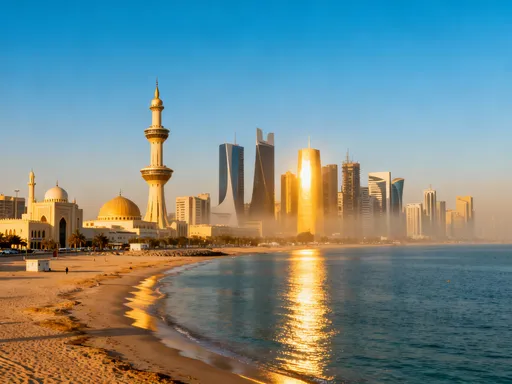
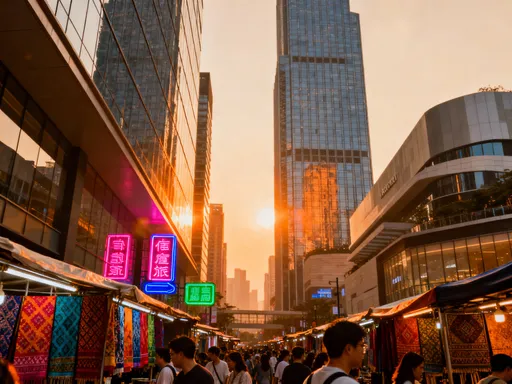
Jakarta’s skyline is more than an architectural statement—it is a promise of possibility. Along the spine of Jalan Thamrin and Jalan Sudirman, glass-clad towers rise like modern-day temples to ambition, housing not only corporate headquarters but also some of Southeast Asia’s most sophisticated shopping environments. These vertical cities are designed to impress, with seamless transitions between office floors and luxury retail spaces. The city’s ambition is reflected in how shopping has been elevated from a simple transaction to an immersive experience, where consumers move effortlessly between work, leisure, and consumption.
The Thamrin-Sudirman corridor functions as Jakarta’s economic and cultural artery, and its malls are landmarks in their own right. Grand Indonesia, Plaza Indonesia, and Senayan City are not merely shopping centers—they are destinations shaped by strategic urban planning and architectural vision. Connected by skybridges and underground walkways, these complexes create a climate-controlled network that allows visitors to traverse large parts of central Jakarta without stepping outside. This interconnectedness is intentional, designed to cater to a city where traffic congestion is a daily reality and air-conditioned comfort is a luxury.
What sets these high-rise retail hubs apart is their integration of international brands with Indonesian identity. While global names like Louis Vuitton, Zara, and Uniqlo anchor the luxury and fast-fashion segments, local designers and traditional crafts are given space through curated pop-ups and permanent boutiques. This blend of global and local transforms shopping into a cultural dialogue. Visitors don’t just buy products—they engage with a narrative of modern Indonesia, where tradition and innovation coexist in polished harmony.
The view from the upper levels of these malls adds another dimension to the experience. Floor-to-ceiling windows offer sweeping panoramas of the city’s ever-evolving landscape—helicopters circling over hotel rooftops, fleets of motorcycles weaving through gridlocked streets, and the distant silhouette of Monas, the National Monument, standing tall amidst the urban sprawl. These views remind shoppers that they are not just inside a mall but at the heart of a dynamic, breathing metropolis.
Malls as Urban Destinations
In Jakarta, shopping malls have evolved far beyond their original function. They are now multifunctional spaces where families gather, professionals unwind, and tourists explore. Grand Indonesia, for example, covers over 180,000 square meters and is divided into two main towers—West Mall and East Mall—connected by a central atrium that soars several stories high. It houses more than 500 stores, including flagship outlets for international brands and premium Indonesian labels. But shopping is only one part of the equation. The mall also features a food court with over 100 local eateries, fine-dining restaurants, a large cinema complex, and even an indoor ice-skating rink operated by Discovery Ice World.
These amenities transform malls into destinations for full-day excursions. It’s common to see families arriving in the morning, spending hours browsing stores, enjoying lunch, catching a movie, and ending the day with dessert at a themed café. For many Jakartans, especially during the hot and humid afternoons, malls offer a refuge—a cool, safe, and stimulating environment where leisure and convenience intersect. This is particularly valuable in a tropical climate where outdoor activities can be limited by heat and sudden rain showers.
Accessibility has been significantly improved with the expansion of Jakarta’s Mass Rapid Transit (MRT) system. The Bundaran HI station, located directly beneath the iconic Hotel Indonesia roundabout, provides direct access to Grand Indonesia and Plaza Indonesia. This integration of public transportation with retail hubs reduces reliance on private vehicles and makes the city more navigable for both residents and visitors. The MRT’s modern design, cleanliness, and efficiency mirror the standards of the malls it serves, reinforcing the image of Jakarta as a forward-thinking urban center.
Malls also serve as cultural venues, hosting art exhibitions, fashion shows, and seasonal festivals. During major holidays such as Eid al-Fitr, Christmas, and Chinese New Year, the interiors are transformed with elaborate decorations—light installations, themed displays, and live performances. These events draw large crowds and create a festive atmosphere that extends beyond shopping. They reflect a deeper role for malls in Jakarta’s social life: not just places to spend money, but spaces to celebrate, connect, and belong.
Beyond the Glass Towers: The Street-Level Pulse
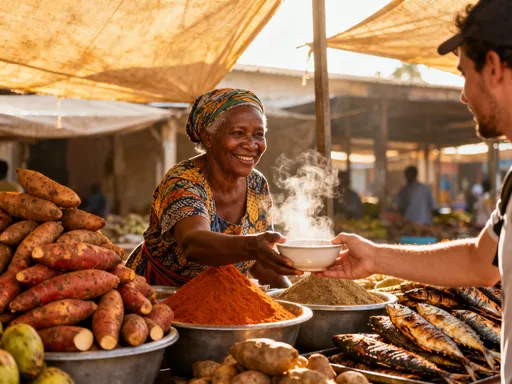
While the gleaming malls capture much attention, Jakarta’s true retail spirit pulses at street level. Just a short walk from the air-conditioned luxury of Thamrin lies Tanah Abang, one of Indonesia’s largest textile markets and a cornerstone of the nation’s informal economy. Spread across multiple interconnected buildings and open-air alleys, Tanah Abang is a labyrinth of fabric stalls, wholesale counters, and small tailoring shops. Every morning, thousands of vendors, traders, and customers flood the area, creating a vibrant ecosystem of commerce that operates on speed, intuition, and negotiation.
The sensory experience is overwhelming in the best way. Rolls of batik, songket, and printed cotton line every wall, stacked in towering pyramids of color. The air carries the faint scent of dye, dust, and nearby street food—steaming bowls of bakso or skewers of satay grilled over open flames. Vendors call out prices, shoppers haggle with practiced ease, and motorbikes weave through narrow passages, delivering bundles of fabric to waiting trucks. This is not shopping as passive consumption; it is active participation in a living economy.
Contrast Tanah Abang with Pasar Mayestik in South Jakarta, a more organized but equally authentic market specializing in fabrics, accessories, and ready-to-wear fashion. Though smaller in scale, it attracts a different crowd—designers, boutique owners, and fashion-savvy locals looking for quality materials at competitive prices. The atmosphere is calmer, the layout more navigable, yet the essence remains the same: direct access to makers, minimal markup, and the thrill of discovery.
Then there is Pasar Santa, a weekend-only market that has become a symbol of Jakarta’s creative revival. Housed in a repurposed public market building, it transforms every Friday through Sunday into a hub for young entrepreneurs, artists, and foodies. Stalls sell handmade jewelry, organic skincare, vintage clothing, and plant-based snacks. Live music plays in the courtyard, and long queues form at specialty coffee stands. Unlike traditional markets, Pasar Santa blends nostalgia with modernity, offering a curated yet authentic experience that appeals to younger generations and expatriates alike.
Hidden Gems in the Concrete Jungle
Amid Jakarta’s dense urban fabric lie quieter retail enclaves that reward exploration. In the leafy neighborhoods of Menteng and Cipete, boutique clusters and concept stores offer an alternative to the commercial intensity of the city center. These spaces prioritize craftsmanship, sustainability, and cultural authenticity, reflecting a growing consumer desire for meaningful purchases. Here, shopping is not about volume or speed but about connection—to the maker, the material, and the story behind each item.
Jalan Kendal in Menteng is a prime example. Once a residential street, it now hosts a collection of concept stores housed in renovated colonial-era homes. One boutique specializes in handwoven ikat textiles from remote islands, each piece accompanied by a card detailing the artisan’s name and village. Another features minimalist fashion made from organic cotton and natural dyes, designed by a young Indonesian label gaining international recognition. These stores often operate on appointment or by word-of-mouth, creating an intimate, gallery-like atmosphere that contrasts sharply with the hustle of mainstream malls.
Similar experiences can be found in Cipete and Kemang, where small ateliers and design studios open their doors to the public. Visitors might watch a silversmith shaping a ring, observe a batik artist applying wax with a canting tool, or sip tea while browsing ceramics made in Yogyakarta. These interactions deepen the value of the purchase, turning a simple transaction into a memorable encounter. For travelers seeking authentic souvenirs, these spaces offer something no mass-produced item can: a tangible link to Indonesia’s rich artistic heritage.
The rise of these hidden retail gems also signals a shift in Jakarta’s urban identity. As the city grapples with congestion, pollution, and rapid development, these small-scale, community-oriented spaces provide balance. They celebrate slowness, intentionality, and local identity—qualities that resonate deeply with residents and visitors alike. In a world of globalized retail, they remind us that the most meaningful shopping experiences often happen off the beaten path.
How to Shop Smart in a Megacity
Navigating Jakarta’s diverse retail landscape requires preparation and strategy. The city’s size and traffic can be daunting, but with the right approach, shopping becomes not only manageable but enjoyable. Timing is crucial. For a peaceful mall experience, weekday mornings—especially Tuesday through Thursday—are ideal. Crowds are thinner, parking is easier, and service is more attentive. Weekends, particularly holiday weekends, bring peak congestion, with malls and markets operating at full capacity.
Street markets like Tanah Abang are best visited early, between 6:00 and 9:00 a.m., when vendors are setting up and stock is fresh. Arriving later means dealing with heat, crowds, and limited bargaining power. For Pasar Santa, late afternoon to early evening offers the best atmosphere, with music, food stalls, and a lively crowd. Planning around these rhythms ensures a more comfortable and productive visit.
Transportation is another key consideration. While taxis are available, ride-hailing apps like Grab and Gojek are more convenient and transparent in pricing. They allow users to switch between car and motorcycle options depending on traffic conditions. For those staying in central areas, these apps make it easy to hop between malls, markets, and boutique districts without the stress of navigation or parking. The MRT and TransJakarta busway also provide reliable, affordable access to major shopping zones, especially along the Thamrin-Sudirman corridor.
Payment methods vary by location. In malls and established stores, credit and debit cards are widely accepted, and contactless payments are increasingly common. However, street vendors, market stalls, and small boutiques operate almost exclusively on cash. It’s wise to carry sufficient Indonesian rupiah in small denominations for bargaining and quick purchases. ATMs are plentiful, but lines can be long during peak hours, so withdrawing cash in advance is recommended.
Finally, setting a budget is essential, especially in wholesale markets where bulk pricing can be misleading. A vendor might offer a single meter of fabric for 50,000 rupiah but claim the price drops to 30,000 for ten meters—only if you buy all ten. Knowing your needs and limits prevents overspending. Similarly, in concept stores and boutiques, prices reflect craftsmanship and materials, so viewing purchases as investments rather than impulse buys leads to more satisfying outcomes.
The Rhythm of the City: When Shopping Meets Lifestyle
In Jakarta, shopping is not an isolated activity—it is woven into the rhythm of daily life. For many residents, a trip to the market or mall is part of a broader routine that includes work, family time, and socializing. A typical Saturday might begin with a visit to Tanah Abang to buy fabric for a new outfit, followed by lunch at a nearby warung, then an afternoon coffee at a rooftop café in Senopati. This fluid blending of errands and leisure reflects a cultural attitude where productivity and pleasure are not opposites but complementary.
Mixed-use developments reinforce this integration. Areas like SCBD (Sudirman Central Business District) and Kelapa Gading combine offices, residences, hotels, and retail spaces, allowing people to live, work, and shop within walking distance. These neighborhoods function as self-contained urban villages, reducing the need for long commutes and fostering a sense of community. Rooftop bars, co-working spaces, and fitness centers are often located within or adjacent to malls, further blurring the boundaries between functions.
Seasonal rhythms also shape shopping behavior. In the weeks leading up to Eid al-Fitr, Jakarta undergoes a transformation. Malls extend their hours, storefronts are adorned with festive lights and decorations, and special bazaars appear in parking lots and open plazas. Families shop for new clothes, shoes, and gifts, creating a surge in retail activity that rivals any Western holiday season. This period highlights the social role of shopping—not just as consumption, but as preparation for togetherness, celebration, and renewal.
Even everyday shopping carries cultural significance. Buying fabric to commission a custom kebaya or batik shirt is not merely about fashion; it’s an expression of identity and respect for tradition. The act of visiting a tailor, choosing a pattern, and waiting for the final product strengthens personal and community ties. In this way, shopping becomes a form of cultural preservation, passed down through generations.
Why Jakarta’s Retail Scene Matters
Jakarta’s retail landscape is a mirror of its identity—dynamic, diverse, and constantly evolving. It reflects a society where tradition and modernity are not in conflict but in conversation. From the glittering halls of Grand Indonesia to the bustling alleys of Tanah Abang, each retail space contributes to the city’s economic vitality and social cohesion. Malls provide jobs, stimulate investment, and offer safe, inclusive spaces for public life. Street markets sustain small businesses, preserve artisanal skills, and maintain the vibrancy of local economies.
Moreover, Jakarta’s shopping culture demonstrates the adaptability of urban life in a rapidly developing nation. It shows how cities can accommodate both global integration and local authenticity, creating environments where international brands and neighborhood vendors coexist. This duality is not unique to Jakarta, but the city exemplifies it with particular energy and scale. As emerging Asian cities grow, Jakarta offers a model of urban retail that balances convenience, culture, and community.
For visitors, engaging with Jakarta’s retail scene is one of the most authentic ways to understand the city. It reveals the values, rhythms, and aspirations of its people. It invites participation—not as passive observers, but as active contributors to a living economy. Whether bargaining for fabric, sipping coffee in a repurposed market, or marveling at a skyline lit by neon and ambition, one becomes part of Jakarta’s ongoing story.
Jakarta’s cityscape is more than steel and glass—it’s a living marketplace where every corner offers discovery. Whether you’re under the glittering ceilings of a megamall or bargaining in a sunlit alley, you’re part of a rhythm that defines urban Indonesia. This isn’t just shopping. It’s immersion. And once you’ve felt it, you’ll see cities differently.