Soul of the Vineyards: A Cultural Journey Through South Africa’s Cape Winelands
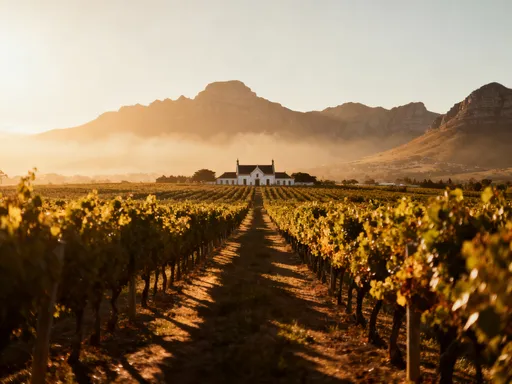
Nestled beneath rolling mountains and golden sunsets, the Cape Winelands of South Africa offer more than just world-class wines—they reveal a rich cultural tapestry woven from centuries of history, diverse traditions, and deep human connections to the land. Exploring this region feels like stepping into a living story, where old Cape Dutch manors stand beside vibrant local markets and indigenous heritage thrives. This is not just a getaway; it’s a meaningful journey into the heart of South African identity. The vineyards here are not only cultivated with care but also rooted in layered narratives of resilience, creativity, and transformation. To walk through these valleys is to witness how culture, soil, and memory grow together—offering travelers a rare chance to taste, see, and feel the soul of a nation.
First Impressions: Arriving in the Cape Winelands
As visitors approach the Cape Winelands from Cape Town, the landscape shifts gently yet profoundly. The urban rhythm gives way to open skies, undulating hills, and vineyard rows that stretch like green ribbons across the valleys. Towns such as Stellenbosch, Franschhoek, and Paarl emerge like scenes from a painter’s dream—each with its own character, yet unified by a shared elegance and tranquility. Stellenbosch, with its oak-lined avenues and academic presence, exudes scholarly charm. Franschhoek, nestled in a narrow valley, carries a French Huguenot legacy evident in its name and architecture. Paarl, named for the glistening granite boulders that catch the morning light, stands as a quiet testament to natural beauty and historical depth.
What sets the Cape Winelands apart from other renowned wine regions is not merely the quality of its terroir—though that is exceptional—but the cultural richness embedded in every vineyard and village. Unlike European wine destinations shaped primarily by aristocratic or monastic traditions, South Africa’s wine culture has been forged through complex social histories, including colonization, slavery, and post-apartheid transformation. This adds emotional and ethical dimensions to the visitor experience. The wine here is not just a luxury; it is a product of land and labor, memory and meaning.
The air carries a freshness laced with earth and grape, and the pace of life slows naturally. Cycling routes wind through estates, horse-drawn carriages rattle down cobbled lanes, and outdoor sculpture trails invite quiet contemplation. These experiences offer more than leisure—they encourage mindfulness, connection, and presence. For many travelers, especially women between 30 and 55 who seek both relaxation and depth in their journeys, the Winelands provide a rare balance: beauty without pretense, sophistication without detachment. It is a place where one can savor a glass of pinotage under a centuries-old tree and still feel grounded in reality.
The Heritage of the Land: Tracing Centuries of Influence
The story of the Cape Winelands begins long before the first vine was planted. The Khoisan people, indigenous to the region, lived in harmony with the land for thousands of years, navigating its mountains and rivers with deep ecological knowledge. Their presence, though often marginalized in official histories, remains vital to understanding the soul of this landscape. When Dutch settlers arrived at the Cape in the 17th century, establishing a refreshment station for the East India Company, they brought European agricultural practices—including viticulture. Jan van Riebeeck planted the first vines in 1655, marking the beginning of an industry that would become central to the region’s identity.
Over time, Cape Dutch architecture emerged as a distinctive style—characterized by whitewashed walls, thatched roofs, gables, and symmetrical layouts. These manor houses, many of which still stand today on working estates, reflect both aesthetic elegance and historical complexity. They were built not only by skilled artisans but also through the forced labor of enslaved people brought from Africa, India, and Southeast Asia. This painful truth cannot be separated from the beauty of the structures. Modern wineries increasingly acknowledge this past through heritage tours, museum exhibits, and collaborative storytelling initiatives that give voice to descendants of enslaved communities.
Today, the land itself tells multiple stories. Archaeological sites reveal ancient rock art and settlement patterns. Oral histories passed down through generations speak of displacement, survival, and adaptation. Some estates now partner with local historians and cultural organizations to present a fuller narrative—one that honors both the technical achievements of winemaking and the human cost behind them. Visitors who take the time to learn this history often leave with a deeper appreciation, not only of the wine but of the courage and resilience embedded in the soil.
This acknowledgment of the past is not about guilt; it is about truth and healing. By confronting difficult chapters, the Winelands are becoming a space of reconciliation and reclamation. New generations of South Africans are reclaiming their connection to the land, asserting their place in its future. For the thoughtful traveler, engaging with this heritage is not a burden but a privilege—an invitation to witness a nation still writing its story with honesty and hope.
Beyond the Vine: Local Life in the Winelands
While the vineyards draw global attention, the true heartbeat of the Cape Winelands pulses in its towns and townships. Places like Kayamandi near Stellenbosch, or Mbekweni in Paarl, are home to vibrant communities whose lives intersect with the wine economy in profound ways. These neighborhoods, often overlooked by mainstream tourism, offer some of the most authentic cultural experiences in the region. Here, music spills from open windows, children play in tree-shaded courtyards, and elders gather under shade cloths to share stories over tea.
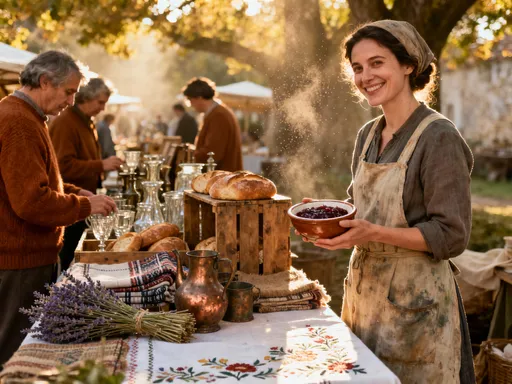
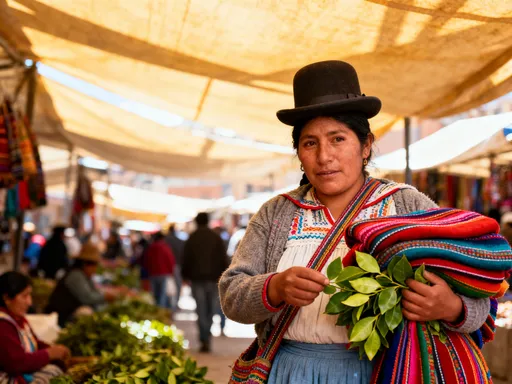
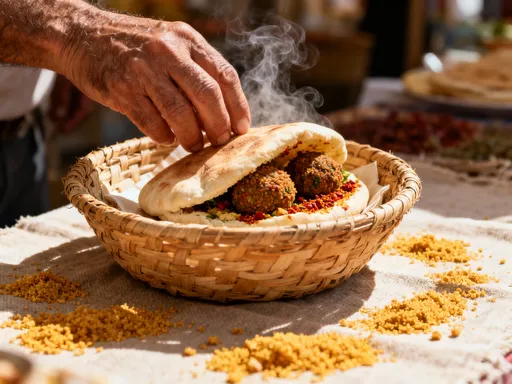
Local markets serve as cultural hubs where tradition and innovation meet. The Fairview Goatshed Market in Franschhoek, while popular with tourists, also supports nearby artisans and farmers. More intimate gatherings, such as community craft fairs or seasonal harvest festivals, allow visitors to engage directly with residents. Handwoven baskets, beaded jewelry, and clay pottery reflect centuries-old techniques adapted for contemporary life. Food stalls offer homemade koeksisters, samp and beans, and vetkoek filled with mince—simple dishes rich in flavor and memory.
Community-led walking tours have emerged as powerful tools for authentic engagement. Led by local residents, these walks provide honest, respectful insights into daily life, struggles, and joys. Unlike exploitative forms of tourism that treat poverty as spectacle, these initiatives are designed and controlled by the communities themselves. Proceeds support education, small businesses, and neighborhood development projects. Travelers gain not just knowledge but connection—sometimes over a shared meal or a conversation on a front porch.
These interactions remind us that tourism does not have to be extractive. When done responsibly, it can uplift, empower, and bridge divides. For women travelers who value empathy and meaningful connection, these experiences often become the most memorable parts of a journey. They offer a chance to listen, to learn, and to contribute in small but significant ways. In the Winelands, the line between visitor and community member can gently blur—not through appropriation, but through mutual respect and shared humanity.
Flavors of Culture: Food and Wine as Storytelling
In the Cape Winelands, every meal is a chapter in a larger story. The region’s cuisine is a living archive of migration, adaptation, and fusion. Malay influences, brought by enslaved people from Southeast Asia, blend with indigenous African ingredients, Dutch baking traditions, and modern culinary techniques. Dishes like bobotie—a spiced minced meat bake topped with egg custard—carry flavors of cinnamon, turmeric, and dried fruit, echoing trade routes that once connected continents. Tomato bredie, a slow-cooked stew, reflects both pastoral traditions and the patience required to coax flavor from simple ingredients. Chakalaka, a spicy vegetable relish, bursts with energy and color, often served alongside pap (maize porridge) or grilled meats.
Wine, too, is part of this narrative. South Africa is one of the oldest wine-producing regions in the Southern Hemisphere, and its varietals tell stories of adaptation and innovation. Pinotage, the country’s signature red, was developed in the 1920s by crossing pinot noir and cinsault. Once criticized for its smoky, rustic notes, it has been refined into a sophisticated expression of local terroir. White blends featuring chenin blanc—often called “steen” locally—are celebrated for their versatility and age-worthiness. But beyond labels and scores, what matters most is context: knowing whose hands tended the vines, whose recipes accompany the pour, and what histories shape the table.
An increasing number of estates are incorporating indigenous ingredients into their offerings. Rooibos tea, native to the Cederberg mountains, appears in wine pairings, cocktails, and desserts. Amadumbe, a root vegetable similar to taro, is featured in seasonal menus. Honeybush, buchu, and wild sorrel add distinctive notes to both food and drink. These choices are not merely culinary trends; they represent a reconnection with pre-colonial knowledge and biodiversity. Chefs and vintners who embrace these ingredients often collaborate with local foragers and elders, ensuring that traditional wisdom is honored and preserved.
Dining experiences in the Winelands range from elegant estate restaurants to informal farm kitchens. What unites them is intentionality—the desire to create moments of connection through taste. Multi-course tastings might include not just wine but explanations of harvest cycles, labor practices, and cultural symbolism. Some wineries host “heritage dinners” where menus are built around historical recipes or family stories. These events transform eating into an act of remembrance and celebration, inviting guests to reflect on how food sustains not only bodies but identities.
Living Architecture: Cape Dutch Manors and Township Innovation
The built environment of the Cape Winelands reveals stark contrasts—and surprising parallels. On one side stand the grand Cape Dutch manors, their gables rising like crowns above manicured lawns. These estates, many dating back to the 18th century, have been carefully preserved or restored, serving as winery centers, museums, or luxury accommodations. Their architecture speaks of order, permanence, and privilege. Yet behind their beauty lies a history shaped by inequality. The same hands that laid their foundations often lived in cramped quarters, invisible in official records.
In recent decades, conservation efforts have expanded to include more inclusive narratives. Restoration projects now integrate slave heritage trails, interpretive signage, and oral history recordings. Some manors host art exhibitions by Black South African artists, transforming spaces once associated with exclusion into platforms for expression and dialogue. Adaptive reuse—converting old cellars into galleries or barns into community halls—demonstrates how history can be honored without being frozen in time.
Meanwhile, in nearby townships, architecture tells a different story—one of resilience and creativity. Informal settlements, built from corrugated iron, wood, and recycled materials, may lack formal planning but overflow with life. Murals cover walls, repurposed shipping containers become shops, and community gardens thrive in narrow plots. Despite limited resources, residents invest in beauty and dignity: painted doors, potted plants, hand-stitched curtains. These spaces are not symbols of poverty but testaments to human ingenuity and spirit.
Emerging design initiatives are bridging these worlds. Social enterprises train young people in construction, design, and craftsmanship, empowering them to shape their environments. Some wineries partner with township artisans to create furniture, lighting, or decor for their tasting rooms—valuing skill over pedigree. Architecture, in both its formal and informal expressions, becomes a language of identity and aspiration. For travelers, noticing these contrasts—and the efforts to reconcile them—adds depth to the journey. It invites reflection on what we build, why we build it, and who gets to belong.
Experiencing Culture Responsibly: Choosing Meaningful Engagement
As tourism grows in the Cape Winelands, so does the responsibility to engage ethically. The region’s beauty and history attract thousands each year, but not all visits leave positive impacts. “Poverty tourism,” where outsiders observe disadvantaged communities as if they were exhibits, is a real concern. Similarly, supporting only large, historically privileged estates can perpetuate economic imbalances. The mindful traveler seeks balance—not perfection, but progress.
One of the most powerful choices a visitor can make is to support Black-owned and emerging wine estates. Labels like M'hudi, Seven Sisters, and Thandi represent not just quality wines but transformation in the industry. These ventures often face greater challenges in access to land, capital, and distribution, yet they produce award-winning vintages rooted in pride and purpose. Tasting their wines is an act of solidarity. Many offer personalized tours where owners share personal journeys, family histories, and visions for the future—experiences that go far beyond standard tastings.
Visiting cultural centers such as the Stellenbosch University Museum or the Bertram House in Cape Town provides context and education. Exhibits on Khoisan heritage, anti-apartheid activism, and contemporary art help frame the present within historical currents. Participating in guided community walks—such as those offered in Kayamandi by local cooperatives—ensures that tourism dollars reach the people who lead them. These experiences emphasize listening over speaking, learning over assuming, and respect over curiosity.
Travelers can also contribute by asking questions: Who owns this land? Who works in the vineyards? How are profits shared? These are not confrontational inquiries but signs of engaged citizenship. Wineries that welcome such conversations often have transparent sustainability reports, fair labor policies, and community partnerships. Choosing to visit these places sends a message: that ethical tourism matters.
Finally, mindfulness extends beyond actions to attitude. Slowing down, being present, expressing gratitude—these small practices create ripples. A kind word to a server, a fair tip for a guide, a photo taken with permission—each gesture affirms dignity. For women who travel not just to see but to understand, these moments become anchors of meaning. They transform a holiday into a pilgrimage of awareness.
Why This Journey Matters: Connecting Culture, Land, and Identity
The Cape Winelands are more than a destination; they are a mirror. They reflect South Africa’s complexities—its wounds, its wisdom, its enduring spirit. To travel here is to confront the truth that beauty and pain often grow side by side, like vines trained on the same trellis. But it is also to witness the power of renewal—the way communities reclaim narratives, restore land, and reimagine futures.
For the 30- to 55-year-old woman seeking purpose in her travels, this region offers something rare: depth without darkness, insight without despair. It invites her not as a passive observer but as an active participant in a living story. She may taste a wine made by a woman whose family worked the same soil for generations. She may hear a song sung in Xhosa or Afrikaans, carrying memories of resistance and joy. She may walk a path once traveled by ancestors whose names were never recorded—yet whose presence lingers in the wind.
This journey matters because it reminds us that travel is not just about escape, but about connection. It is about recognizing that every place has a soul, shaped by those who live, work, and dream there. The Cape Winelands, with their golden light and layered histories, call us to see more clearly, listen more deeply, and care more fully. They ask us to raise our glasses not just in celebration, but in solidarity.
So let the vineyards be more than scenery. Let them be classrooms, sanctuaries, and starting points for change. Let each visit leave something behind—not just footprints, but understanding. And let every traveler carry forward not just memories, but a renewed commitment to travel with heart, mind, and conscience. In the end, the true vintage of the Cape is not measured in bottles, but in moments of human connection—timeless, authentic, and deeply nourishing.