You Won’t Believe These Hidden Natural Gems in Yogyakarta
If you think Yogyakarta is just about temples and culture, think again. Tucked behind its ancient heritage lies a wild, untouched side—lush jungles, secret waterfalls, and breathtaking coastlines few travelers ever see. I went off the beaten path and discovered a completely different side of Java. This is nature in its purest form: raw, quiet, and absolutely stunning. Let me take you where the real adventure begins.
Beyond Borobudur: Uncovering Yogyakarta’s Natural Side
Yogyakarta is globally celebrated for its cultural landmarks—Borobudur, the largest Buddhist temple in the world, and Prambanan, a magnificent Hindu complex—draw millions of visitors each year. These sites are undeniably awe-inspiring, standing as testaments to Indonesia’s rich spiritual and architectural history. Yet, beyond the stone carvings and ancient reliefs lies a landscape equally profound but far less crowded: one shaped by rivers, rainforests, limestone cliffs, and the relentless power of the Indian Ocean. While cultural tourism remains the region’s heartbeat, its natural treasures pulse just beneath the surface, waiting to be discovered by those willing to step away from the main roads.
The terrain surrounding Yogyakarta is remarkably diverse. To the north, the slopes of Mount Merapi, an active volcano, give way to cool highland forests and terraced farmland. To the south, the land drops sharply into a rugged coastline battered by strong waves. Between these extremes are hidden valleys, underground rivers, and karst formations that have been sculpted over thousands of years. This geological variety supports a wide range of ecosystems, from lowland tropical forests to coastal mangroves. It’s a region where nature hasn’t been fully tamed, where trails are often unmarked, and where silence still has space to breathe.
What makes Yogyakarta’s natural side so compelling is the contrast it offers. After the sensory intensity of temple visits—the heat, the crowds, the constant movement—stepping into a quiet forest or standing before a secluded waterfall feels like entering another world. There’s no entrance fee, no loudspeaker announcements, no souvenir stalls. Just the rustle of leaves, the distant call of birds, and the steady rhythm of water over stone. This duality—cultural grandeur paired with natural serenity—makes Yogyakarta not just a destination, but a journey of balance and discovery.
Hidden Waterfalls in the Jungle: A Journey to Serene Cascades
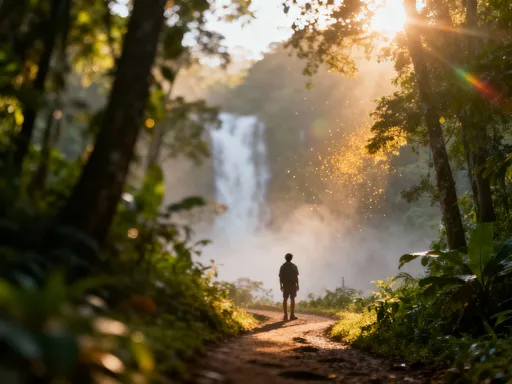
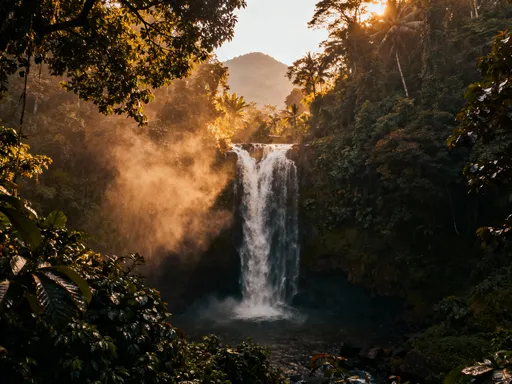
Deep within the green folds of Yogyakarta’s southern hills lie some of Java’s most captivating waterfalls—places where nature reveals itself in layers of mist, moss-covered rock, and crystal-clear pools. Unlike the well-known cascades in Bali or Lombok, many of these falls remain off the standard tourist trail, visited more often by local families and adventurous hikers than international tour groups. Among them, Sri Gethuk and Luweng Ronoh stand out as true hidden gems, offering not just beauty but a sense of discovery that few mainstream destinations can match.
Sri Gethuk, nestled in the Gunung Sewu karst range, is unlike any typical waterfall. Here, the river doesn’t simply plunge over a cliff—it disappears into a cave before emerging dramatically from beneath a limestone overhang. Visitors can walk behind the curtain of falling water, feeling the cool spray on their skin as sunlight filters through the cavern opening. The pool below is safe for swimming, with clear, refreshing water fed by underground springs. A small wooden boat, operated by local guides, takes visitors through the cave passage, adding an element of gentle adventure. The surrounding area is shaded by tall trees, and the sound of flowing water blends with birdsong, creating a peaceful atmosphere that lingers long after the visit.
Further east, Luweng Ronoh offers a more secluded experience. Reached after a short hike through farmland and jungle trails, this multi-tiered waterfall cascades down a series of natural rock steps, forming small pools ideal for quiet reflection or a cooling dip. The path is simple but not always well-marked, which helps keep crowds at bay. Local villagers often serve as informal guides, offering insights into the area’s ecology and sharing stories passed down through generations. Their presence ensures safety while also supporting the community economically. These interactions add depth to the visit, transforming a simple nature outing into a meaningful cultural exchange.
For travelers seeking tranquility and authenticity, these waterfalls represent the heart of Yogyakarta’s natural appeal. They require no grand infrastructure to be appreciated—just a willingness to walk a little farther, listen a little closer, and respect the delicate balance of the environment. With proper preparation and mindful behavior, such places can remain pristine for years to come.
The Southern Coast: Rugged Beauty Beyond the Crowds
While Bali’s beaches are famous for their golden sands and surf culture, Yogyakarta’s southern coastline tells a different story—one of raw power, dramatic geology, and quiet resilience. Stretching along the edge of the Indian Ocean, this rugged shoreline is marked by towering cliffs, natural sea caves, and black-sand beaches shaped by volcanic activity. Places like Pantai Baron, Pantai Kukup, and Pantai Drini may appear on maps, but they remain refreshingly free of the commercialization that defines more popular destinations. Here, the ocean roars rather than whispers, and the landscape feels untamed, even humbling.
Pantai Baron, one of the more accessible coastal spots, was once a small fishing village and still retains much of its local character. The beach is framed by limestone cliffs, and at low tide, tidal pools emerge, teeming with small crabs and sea anemones. Fishing boats rest on the shore, their nets spread out to dry in the sun. Visitors can walk along the rocky outcrops or simply sit and watch the waves crash against the shore. The air carries the scent of salt and seaweed, and the breeze is constant, cooling even on the warmest days. Unlike crowded beach resorts, there are no loud music stages or neon-lit bars—just a few simple warungs (local food stalls) serving fresh grilled fish and sweet coconut water.
Pantai Kukup and Pantai Drini, located nearby, offer even more solitude. These beaches are part of a cluster connected by a narrow forested path, allowing visitors to walk from one to the next. Drini, in particular, is known for its wooden jetties that stretch into the sea, used by fishermen but also offering stunning viewpoints. During certain times of the year, especially in the early morning, the beach is nearly empty, making it an ideal place for quiet contemplation or a peaceful sunrise walk. The black sand, cooled by the ocean, feels soft underfoot, and the horizon seems to stretch endlessly.
Visiting these coastal areas requires awareness and respect. The currents are strong, and swimming is not always safe, especially during the rainy season or high tide. Local signs and warnings should be heeded, and visitors are encouraged to stay on marked paths to protect fragile ecosystems. By observing these guidelines, travelers not only ensure their own safety but also contribute to the preservation of these special places. The southern coast is not a playground—it’s a powerful natural force, best appreciated with humility and care.
Green Havens: Exploring Forests and Nature Reserves
For those craving elevation and cooler air, the northern highlands of Yogyakarta offer a refreshing escape. The foothills of Mount Merapi, particularly around the Kaliurang area, are home to lush forests, shaded trails, and reforested landscapes that invite slow, mindful exploration. Once a royal retreat for the Yogyakarta sultanate, Kaliurang today serves as a gateway to nature-based recreation, with walking paths, picnic areas, and viewpoints that overlook the volcanic slopes. The air here is noticeably fresher, carrying the scent of pine and damp earth, a welcome contrast to the humidity of the lowlands.
The Kaliurang forest area features a network of trails that cater to different fitness levels. Some paths are paved and well-maintained, suitable for families and casual walkers, while others wind deeper into the woods, offering a more immersive experience. Birdwatching is a popular activity, with species like the Javan hawk-eagle and the Sunda whistling thrush occasionally spotted among the canopy. Along the way, informative signs—often in both Indonesian and English—explain the local flora, including rare orchids, ferns, and towering albizia trees. These educational elements enhance the experience, turning a simple walk into a lesson in ecology and conservation.
Beyond Kaliurang, community-led reforestation projects have transformed degraded land into thriving agroforestry zones. In villages like Nglanggeran, locals have planted thousands of trees, creating green corridors that support biodiversity and provide sustainable livelihoods. Visitors can join guided eco-tours that include tree planting, fruit harvesting, or learning about organic farming methods. These initiatives not only restore the land but also strengthen the connection between people and nature. By participating, travelers contribute directly to environmental recovery while gaining a deeper appreciation for the region’s natural rhythms.
What makes these green havens so valuable is their accessibility and authenticity. They don’t require expensive entrance fees or long treks to reach. Instead, they offer a space for quiet reflection, physical activity, and connection—with nature and with local communities. In a world where urban life dominates, such places serve as vital reminders of the healing power of forests and fresh air.
Off-the-Beaten-Path Adventures: How to Find Authentic Nature Experiences
Finding Yogyakarta’s hidden natural spots often means stepping beyond guidebooks and tourist apps. While major attractions are well-documented, the quieter corners of the region are best discovered through personal connections, local knowledge, and a spirit of curiosity. One of the most effective ways to access these places is by working with local guides—residents who know the trails, the tides, and the stories behind the landscapes. Their expertise ensures safety, enhances understanding, and supports the local economy in a direct and meaningful way.
Community-based tourism initiatives are increasingly common in Yogyakarta’s rural areas. In villages near the southern coast or in the highlands, residents have organized eco-tourism programs that allow visitors to experience daily life while exploring nature. These programs often include homestays, traditional meals, and guided walks through farmland, forests, or along riverbanks. Because they are managed locally, profits stay within the community, funding education, infrastructure, and conservation efforts. Travelers benefit not only from unique experiences but also from the knowledge that their visit has a positive impact.
Another key to discovering authentic nature experiences is embracing flexibility. Rather than following a rigid itinerary, it helps to allow time for spontaneous conversations—with a warung owner, a farmer on a motorbike, or a park ranger. These interactions often lead to unexpected invitations: a hidden waterfall just five minutes off the main road, a quiet beach accessible only at low tide, or a morning birdwatching spot known only to locals. These moments of serendipity are what make travel truly memorable.
At the same time, it’s essential to approach these experiences with respect. This means staying on designated paths, avoiding littering, refraining from loud noises, and asking permission before photographing people or private land. It also means being mindful of cultural norms—dressing modestly when near villages, removing shoes when entering homes, and speaking politely. Responsible travel isn’t just about minimizing harm; it’s about building bridges of understanding and appreciation.
When to Go and How to Prepare: Practical Tips for Nature Explorers
Timing is crucial when planning a visit to Yogyakarta’s natural sites. The region has a tropical climate with two main seasons: dry (May to October) and rainy (November to April). The dry season is generally the best time for outdoor exploration, as trails are less slippery, waterfalls are still flowing but not dangerously swollen, and the coastal paths are safer to navigate. Mornings are ideal for hiking, as temperatures are cooler and the light is perfect for photography. Midday heat can be intense, especially in lowland areas, so planning activities around sunrise or late afternoon is advisable.
Packing appropriately makes a significant difference in comfort and safety. Lightweight, moisture-wicking clothing is recommended, along with a wide-brimmed hat and sturdy walking shoes with good grip—especially for waterfall hikes or coastal trails with loose rocks. A reusable water bottle, sunscreen, and insect repellent are essential. For cave visits or jungle walks, a small flashlight or headlamp can be useful. It’s also wise to carry a basic first-aid kit, including bandages, antiseptic wipes, and any personal medications.
Transportation from Yogyakarta city varies by destination. Waterfalls and southern beaches are typically reached by private car, motorbike, or organized tour. Public transportation exists but may require multiple transfers and longer walking distances. For those unfamiliar with local roads, hiring a driver or joining a small group tour can reduce stress and ensure accurate navigation. In mountainous or remote areas, mobile network coverage may be limited, so downloading offline maps or carrying a physical guide is recommended.
Physical preparation should not be overlooked. While many natural sites are accessible to average travelers, some trails involve steep climbs, uneven terrain, or river crossings. A moderate level of fitness helps, and travelers with health concerns should consult a doctor before embarking on more strenuous activities. Listening to one’s body, taking breaks, and staying hydrated are simple but vital practices for a safe and enjoyable experience.
Why These Hidden Spots Matter: Connecting with Nature and Local Stewardship
The true value of Yogyakarta’s hidden natural gems extends far beyond their beauty. These places offer something increasingly rare in the modern world: silence, stillness, and a chance to reconnect with the natural rhythms of life. In a time when screens dominate attention and cities never sleep, standing beneath a waterfall, walking a quiet beach at dawn, or breathing in the cool mountain air can feel like a reset for the soul. These experiences foster mindfulness, reduce stress, and remind us of our place within a larger, living world.
Equally important is the role these places play in environmental conservation and community well-being. When travelers choose to visit lesser-known natural sites responsibly, they help reduce pressure on overcrowded destinations. They also support local economies through eco-tourism, guiding services, and small businesses. This creates incentives for communities to protect their forests, rivers, and coastlines rather than exploit them for short-term gain. In this way, thoughtful travel becomes a form of stewardship—a way to give back while receiving the gifts of nature.
Preserving these hidden spots requires collective effort. It means leaving no trace, respecting local customs, and choosing experiences that prioritize sustainability. It means sharing stories not to turn secret places into viral attractions, but to inspire others to travel with care and curiosity. The goal is not to bring more people to these places, but to bring better visitors—those who come not to take, but to appreciate, learn, and protect.
Yogyakarta’s natural wonders are not just destinations. They are invitations—to slow down, to listen, to tread lightly. They remind us that adventure doesn’t always require faraway lands or luxury resorts. Sometimes, it’s found just beyond the well-worn path, waiting in the quiet hum of the jungle, the crash of the southern waves, or the cool shadow of a mountain forest. The real journey begins when we choose to look deeper, go farther, and travel with respect. Let that journey start now.