Spice, Sea, and Soul: How Colombo’s Flavors Unfold Among Tropical Wonders
Ever tasted a city where the air smells like cumin and coconut, and every meal tells a story of monsoon rains and ancient trade routes? Colombo isn’t just Sri Lanka’s heartbeat—it’s a gateway to natural beauty and culinary magic. From bustling markets to serene coastlines, I discovered how food and nature blend in the most unexpected ways. This is more than a food tour—it’s a sensory journey through green hills, ocean breezes, and flavors that stay with you long after the plate is empty. In Colombo, every bite carries the imprint of the land: the warmth of sun-drenched spice gardens, the salt-kissed wind from the Indian Ocean, and the quiet rhythm of rice paddies swaying under tropical skies. To eat here is to understand a culture rooted in harmony with nature.
Where Flavor Meets Nature
Colombo stands at the crossroads of geography and gastronomy, where urban energy pulses alongside natural abundance. Though it is Sri Lanka’s largest city and economic center, Colombo remains deeply connected to the island’s agricultural and maritime roots. The city’s cuisine does not exist in isolation—it is shaped by the very soil, water, and climate that define this tropical paradise. The humid lowlands surrounding the city nurture some of the world’s most prized spices, including cinnamon, cardamom, cloves, and turmeric, all of which find their way into daily dishes. Meanwhile, the Indian Ocean provides an endless supply of fresh fish, prawns, and crabs, while inland rivers feed vast networks of rice paddies that sustain the nation’s staple diet.
What makes Colombo’s food culture so compelling is its authenticity. Meals are not crafted for tourists but are expressions of generations-old traditions passed down through families. A typical breakfast might include hoppers—bowl-shaped fermented pancakes made from rice flour and coconut milk—served with a spicy sambal or a piece of fried fish. Lunch often centers around rice and curry, a vibrant platter of steamed rice accompanied by several small dishes of vegetables, lentils, and meat or seafood in richly spiced sauces. Each ingredient has a story, and each dish reflects the seasonal availability dictated by nature’s cycle.
For the mindful traveler, especially one attuned to the rhythms of home and family, Colombo offers a rare opportunity to reconnect with the origins of food. It’s a place where meals are not rushed but savored, where ingredients are known by name and source, and where cooking remains a communal act. This deep relationship between land and plate invites reflection—not only about what we eat, but how it shapes who we are. In Colombo, flavor is not just taste; it is memory, identity, and place made tangible.
The Pulse of Pettah Market: A Feast for the Senses
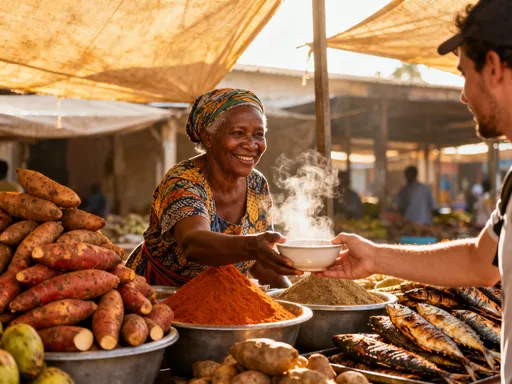
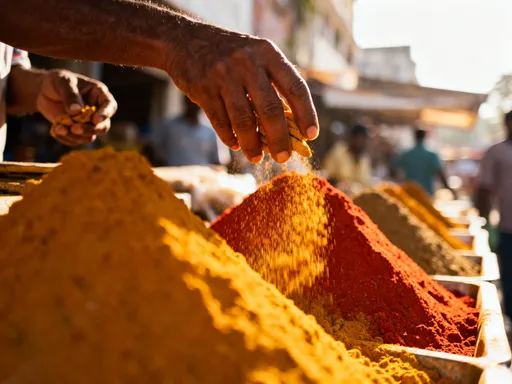
No visit to Colombo is complete without stepping into the vibrant chaos of Pettah Market, a sprawling labyrinth of narrow lanes and open-air stalls that has served as the city’s commercial heart for centuries. Here, the air hums with activity and fragrance—sacks of golden turmeric dust the ground, bundles of cinnamon bark are stacked like scrolls, and mounds of dried red chilies glow like embers in the sunlight. The scent of fresh curry leaves, crushed garlic, and ripe jackfruit weaves through the breeze, creating an olfactory map of Sri Lankan cuisine. This is where home cooks, street vendors, and restaurant suppliers come to gather the essentials of daily meals, each vendor a custodian of regional harvests.
Pettah is more than a marketplace—it is a living archive of agricultural abundance. Rows of seasonal fruits and vegetables spill from wooden crates: green papayas for salads, bitter gourds for stir-fries, and clusters of tiny brinjals destined for spicy curries. Nearby, coconut vendors crack open brown husks with practiced ease, extracting the white flesh used in everything from chutneys to desserts. Fishmongers display silvery slabs of tuna and mackerel, while spice merchants proudly offer hand-mixed blends like roasted curry powder, used to deepen the flavor of stews and rice dishes. Every product tells a story of origin—cinnamon from the western lowlands, tea from the central highlands, vegetables from nearby farming villages.
What stands out in Pettah is the visible connection between farm and table. Unlike supermarkets where produce arrives anonymous and packaged, here every item has a provenance. A vendor might explain how the recent rains have made mangoes sweeter or how a shortage of cardamom has raised prices. Shoppers inspect ginger for firmness, sniff lemongrass for potency, and haggle gently over bunches of coriander. For visitors, especially those who value thoughtful, intentional eating, Pettah offers a masterclass in mindful consumption. It’s a reminder that food is not just fuel, but a product of labor, seasonality, and care—a truth often lost in modern life but preserved in places like this.
Coastal Bites: Fishing Villages and Fresh Catches
Just a short journey from Colombo’s skyline lie coastal communities where the rhythm of life follows the tides. In towns like Negombo and Mount Lavinia, fishing is not merely an industry—it is a way of life passed down through generations. At dawn, wooden boats painted in bright blues and reds glide across the calm waters of the Indian Ocean, their nets cast wide to catch the day’s bounty. By mid-morning, the fish markets buzz with energy as fishermen haul in their catch—glistening snapper, silvery sardines, and spiny lobsters still twitching from the sea. The air is thick with salt and the faint metallic tang of fresh fish, a scent that speaks of abundance and tradition.
In these villages, seafood is never frozen or transported long distances. It is cleaned, scaled, and cooked within hours of being caught, often over open wood fires or charcoal grills. One of the most iconic dishes is ambul thiyal, a sour and spicy fish curry made with goraka—a dried fruit that lends a tangy depth—and slow-cooked with cinnamon, black pepper, and pandan leaves. The result is a dish that preserves fish without refrigeration, a method born from necessity but cherished for its bold flavor. Other coastal specialties include spicy grilled prawns, coconut milk-based fish curries, and crab roe fried with onions and chilies.
What makes these meals so memorable is their simplicity and integrity. There are no elaborate techniques or imported ingredients—just fresh seafood, time-honored recipes, and a deep respect for the ocean’s gifts. Families gather around shared platters, often eating with their hands, savoring every bite as a celebration of the sea. For travelers seeking authenticity, a meal in a coastal village offers a profound connection to place and people. It’s a reminder that the best food often comes not from fine dining rooms, but from humble kitchens where tradition and terroir meet on a banana leaf.
Urban Eats with a View: Rooftop Restaurants and Seaside Eateries
As the sun sets over the Indian Ocean, Colombo transforms into a city of light and flavor. Along Galle Face Green, a sweeping seaside promenade, families stroll, children fly kites, and couples pause to watch the sky turn gold. Nearby, rooftop restaurants and beachfront cafes come alive, offering panoramic views and modern interpretations of Sri Lankan cuisine. These spaces blend elegance with tradition, allowing diners to enjoy the island’s bold flavors in comfort and style. The gentle sea breeze carries the scent of grilled fish and coconut oil, mingling with the distant laughter of children and the soft strum of a guitar from a street performer.
At these urban dining spots, chefs honor local ingredients while introducing subtle innovations. A classic kottu roti—minced flatbread stir-fried with vegetables, egg, and spices—might be elevated with free-range chicken or house-made chili paste. Hoppers may be served with organic palm treacle or seasonal mango chutney. Some restaurants even source their spices directly from smallholder farms, ensuring freshness and supporting sustainable agriculture. The presentation is thoughtful, the service warm, and the atmosphere relaxed—perfect for a mother enjoying a rare evening out or a traveler reflecting on the day’s discoveries.
What sets these venues apart is their ability to make tradition accessible without diluting it. They cater to both locals and visitors, offering familiar dishes in settings that feel both special and welcoming. Whether seated at a candlelit table overlooking the ocean or sharing a plate of string hoppers at a casual seaside shack, the experience remains rooted in Sri Lanka’s culinary soul. These spaces prove that modernity and heritage can coexist, offering a vision of how food culture can evolve while staying true to its roots. For women who balance family, responsibility, and personal joy, such moments—simple, beautiful, and nourishing—are deeply resonant.
Beyond the City: Hill Country Escapes and Tea-Time Traditions
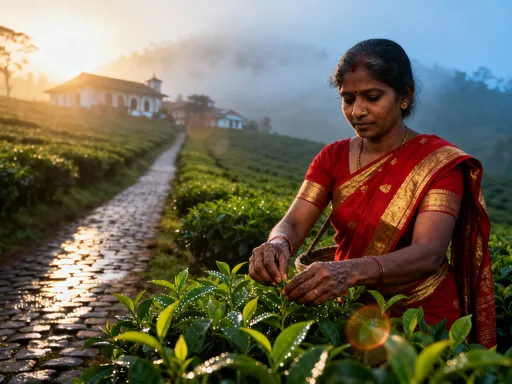
Leaving Colombo behind, the landscape rises into misty highlands where emerald tea plantations stretch across rolling hills like waves frozen in time. The air grows cooler, the pace slower, and the scent of damp earth and tea leaves fills the breeze. In towns like Nuwara Eliya, known as “Little England” for its colonial-era architecture, tea is more than a drink—it is a ritual, a livelihood, and a symbol of national pride. The journey to a working tea estate reveals the meticulous process behind every cup: young leaves hand-plucked at dawn, spread across vast withering racks, rolled, oxidized, and dried with care.
Visitors are often invited to tour a tea factory, where the scent of roasting leaves is warm and comforting, and then to a veranda overlooking the plantation for a tasting. A simple cup of Ceylon tea—whether golden, amber, or deep red—tells a story of elevation, climate, and craftsmanship. It is typically served with milk or enjoyed plain, accompanied by banana fritters, coconut buns, or short eats, savory pastries filled with spiced potatoes or minced chicken. These small bites, once snacks for plantation workers, have become beloved treats across the island.
The hill country offers a different kind of nourishment—one of peace, clarity, and connection. Here, food is not rushed but savored, much like the tea itself. Families gather on porches, sharing stories over steaming cups, while travelers pause to breathe deeply in the cool mountain air. The rhythm of life mirrors the slow unfurling of a tea leaf in hot water—gentle, deliberate, and full of potential. For women who often carry the weight of daily responsibilities, this region offers a quiet invitation to rest, reflect, and reconnect with the simple pleasures of life.
Green Heart of the Island: Rice, Rivers, and Rural Kitchens
At the core of Sri Lankan cuisine lies rice—the staple that feeds millions and anchors nearly every meal. The island’s inland regions, crisscrossed by rivers and fed by seasonal monsoon rains, are home to vast paddy fields that shimmer under the tropical sun. In villages across the wet zone, farming families rise before dawn to tend to their crops, using methods passed down for generations. Water buffalo still plow fields in some areas, and harvests are often done by hand, with men and women bending together in unison, their reflections mirrored in the flooded fields.
In rural kitchens, cooking remains a wood-fired, clay-pot affair. Rice is steamed in large pots over open flames, while curries simmer slowly in heavy-bottomed pans. Dishes like dhal curry, made from red lentils cooked with garlic, mustard seeds, and curry leaves, or mallum, a finely chopped green salad tempered with coconut and dried fish, are prepared with care and intention. Meals are served on banana leaves or simple plates, shared among family members who eat with their right hands, savoring the warmth and texture of each bite.
The connection between water, land, and food is unmistakable here. The health of the rice crop depends on timely rains and clean irrigation channels, making agriculture deeply tied to environmental stewardship. In recent years, some communities have returned to organic farming and heirloom rice varieties, preserving biodiversity and cultural heritage. For travelers, visiting a village kitchen offers a rare glimpse into a way of life that values sustainability, community, and simplicity. It’s a powerful reminder that true nourishment goes beyond taste—it is rooted in respect for nature, seasonality, and the labor of those who grow our food.
How to Taste Colombo Like a Local: Practical Tips for Food-Centric Travelers
To truly experience Colombo’s culinary richness, timing and approach matter. Visit Pettah Market early in the morning, between 6:00 and 9:00 a.m., when produce is freshest and the heat has not yet risen. Wear comfortable shoes, carry a reusable bag, and don’t hesitate to ask vendors questions—they are often happy to share tips on how to prepare a particular vegetable or which spices pair well together. When selecting fruits, look for vibrant color and firm texture; ripe mangoes should yield slightly to pressure, while jackfruit should smell sweet and tropical.
Street food is an essential part of the experience, but it’s wise to choose stalls with high turnover, where food is cooked fresh and served hot. Popular and generally safe options include kottu roti, hoppers, and vadai (lentil fritters). Avoid raw salads or unpeeled fruits from street vendors unless they are freshly prepared in your presence. Drinking bottled or filtered water is recommended, and carrying hand sanitizer can help maintain hygiene between bites.
For transportation, tuk-tuks are convenient for short trips, but agree on the fare before starting the ride. Local buses offer an affordable way to see more of the city, though they can be crowded. When visiting coastal or rural areas, consider hiring a trusted driver or joining a small-group tour for ease and safety. The best times to explore are early morning or late afternoon, when temperatures are milder and light is ideal for photography.
Finally, practice mindful eating and sustainability. Support small vendors, avoid single-use plastics, and express gratitude—whether through a smile, a thank you, or a fair price. By traveling with respect and curiosity, you honor the people and places that make Colombo’s flavors so unforgettable.
A Plate Full of Place
Colombo’s true flavor cannot be captured in a single dish or a single day. It unfolds gradually, like the slow unfurling of a spice leaf in warm oil, revealing layers of history, geography, and human care. From the bustling alleys of Pettah to the quiet hills of Nuwara Eliya, from the rhythmic pull of fishing nets to the steam rising off a clay pot of rice, every element of the island’s cuisine is rooted in the land. To eat in Colombo is to taste the monsoon rains, the ocean breeze, and the sun-drenched soil—all woven into meals that nourish both body and soul.
This is a cuisine shaped not by trends, but by tradition and necessity, where every ingredient has purpose and every meal carries meaning. For women who value family, connection, and the quiet beauty of everyday rituals, Colombo offers a profound sense of belonging. It reminds us that food is more than sustenance—it is memory, identity, and love made visible. As you travel through this vibrant city and its surrounding wonders, let your palate guide you. Slow down. Taste deeply. Listen to the stories behind each spice, each fish, each grain of rice. In doing so, you don’t just visit a place—you become part of its living, breathing culture, one mindful bite at a time.