What Happens When You Wander Into Bhutan’s Festival Heart?
Have you ever felt the pulse of a culture through drumbeats echoing across mountains? In Punakha, Bhutan, I didn’t just witness festival culture—I lived it. Wandering through valleys wrapped in mist, I stumbled upon masked dancers performing ancient rituals, monks chanting in golden halls, and villagers celebrating traditions unchanged for centuries. This isn’t tourism; it’s immersion. If you crave authenticity, Punakha’s festivals don’t just invite you in—they pull you into the rhythm of a hidden world. Here, time moves differently, shaped by prayer wheels and seasonal cycles, where every festival is less an event and more a living thread in the fabric of daily life.
The Allure of Wandering in Punakha
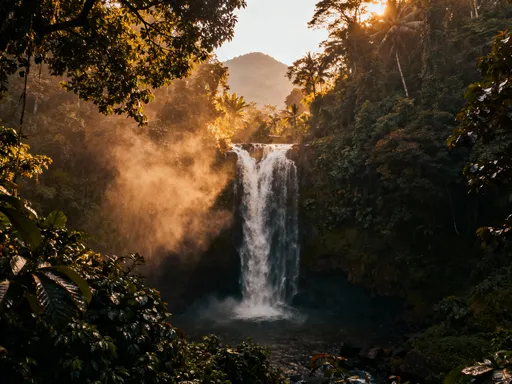
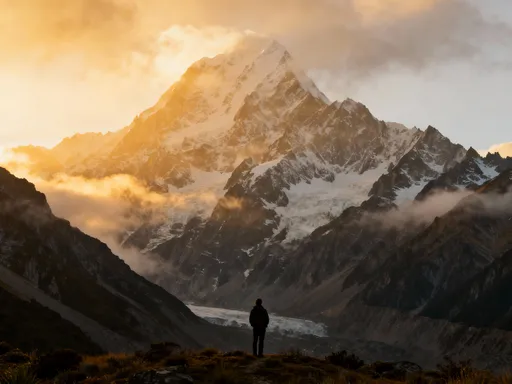
Punakha, once the ancient capital of Bhutan, rests in a broad, fertile valley where the Mo Chhu and Pho Chhu rivers converge. Surrounded by towering Himalayan peaks and dense forests, the region offers a serenity that lingers long after departure. Unlike the more frequented Paro or Thimphu, Punakha retains a gentle pace, where life unfolds in harmony with nature and tradition. Terraced rice fields climb the hillsides like green stairways, and farmers in traditional gho and kira move through their days with quiet purpose. The air carries the scent of wildflowers and woodsmoke, and the only constant sound is the rush of river currents and the occasional chime of a distant temple bell.
Wandering through Punakha without a fixed itinerary allows space for spontaneity and surprise. One afternoon, while walking a narrow footpath between villages, I came across a small, whitewashed temple tucked into a grove of cypress trees. A monk, no older than twenty, sat outside grinding herbs for incense. He smiled and invited me to sit, offering a cup of butter tea. Though we shared no common language, his gestures—pouring tea, pointing to prayer flags fluttering in the wind—spoke volumes. This is the essence of Punakha: not the grand monuments alone, but the quiet moments of human connection that arise when you allow yourself to move slowly.
The Punakha Dzong, a magnificent fortress monastery that dominates the valley, is often the centerpiece of visitors’ itineraries. Built in the 17th century by Zhabdrung Ngawang Namgyal, it serves as both a religious and administrative center. Its massive wooden doors, intricate murals, and sweeping courtyards are awe-inspiring, but the true magic lies in experiencing it during daily life. Monks in maroon robes hurry through corridors, their chants echoing off stone walls, while elderly villagers light butter lamps in dimly lit chapels. To walk these halls during a festival is to step into a world where spirituality is not separate from life—it is life itself.
Punakha Dromchoe and the Heart of Festival Culture
At the core of Punakha’s cultural calendar is the Punakha Dromchoe, a vibrant festival held annually in spring. Unlike the larger tsechus in Paro or Thimphu, the Dromchoe is deeply local, rooted in the history and spiritual identity of the valley. It commemorates the victory of Zhabdrung Ngawang Namgyal over Tibetan invaders in the 17th century and honors the protective deities believed to guard the region. The festival lasts several days and blends religious ritual with communal celebration, offering a rare window into Bhutan’s living Buddhist traditions.
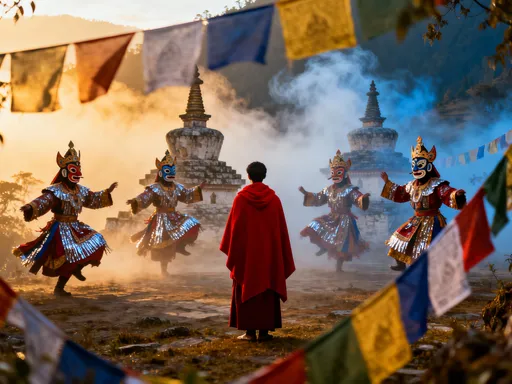
The highlight of the Dromchoe is the cham dance, a sacred masked performance performed by monks and laymen in the dzong’s courtyard. Each dance tells a story—of good triumphing over evil, of enlightened beings guiding lost souls, of the impermanence of life. The dancers, adorned in elaborate brocade costumes and ornate wooden masks, move with deliberate precision, their steps synchronized to the beat of drums, cymbals, and long Tibetan horns. The music is not background; it is an invocation, a sonic bridge between the human and divine.
One of the most revered moments is the unfurling of the thongdrel, a giant appliquéd thangka depicting Guru Rinpoche and other sacred figures. This sacred banner is displayed at dawn on the final day, believed to liberate anyone who sees it from future rebirth in lower realms. As the first light touches the thongdrel, the crowd falls silent, many kneeling in prayer. The atmosphere is thick with devotion, a collective breath held in reverence. These are not performances for tourists—they are acts of faith, passed down through generations with meticulous care.
A Day in the Life of a Festival Wanderer
Attending the Punakha Dromchoe begins before sunrise. Families arrive hours early, dressed in their finest traditional attire, carrying picnic baskets filled with red rice, dried beef, and homemade cheese. Children laugh and chase each other across the grass, while elders find shaded spots near the viewing platforms. The dzong’s gates open just before dawn, and a steady stream of locals and visitors flows into the courtyard. I secured a place near the edge, close enough to see the dancers’ expressions beneath their masks, yet far enough to remain an observer rather than an intrusion.
As the sun rises, the head lama takes his seat on a raised throne, flanked by senior monks. The first dancers emerge—guardians of the threshold, their masks fierce and fanged, their movements sharp and commanding. The rhythm builds slowly, like a storm gathering strength. The air fills with the scent of juniper incense, and the deep, resonant sound of the dungchen horns vibrates in the chest. A woman beside me offers a warm smile and shares a piece of dried apricot. No words are exchanged, but the gesture feels like kinship.
Throughout the day, different dances unfold, each with its own symbolism and energy. The Black Hat dancers, representing wrathful deities, perform rituals of exorcism, their sweeping brooms symbolizing the cleansing of negative forces. The Deer Dance, a poignant duet between a hunter and a deer, tells a tale of compassion and redemption. Children in miniature monk robes perform a lighthearted dance, drawing laughter and applause. Between performances, families share meals, passing around thermoses of butter tea and bowls of ara, a local spirit. The festival is not a spectacle to be watched from a distance—it is a communal gathering, a reaffirmation of identity and belonging.
How to Choose the Right Time to Visit
Timing is essential when planning a visit to Punakha’s festivals. The Dromchoe typically takes place in February or March, depending on the lunar calendar, and exact dates vary each year. Unlike fixed-date events, Bhutanese festivals follow the Tibetan lunar calendar, which means planning requires attention to official announcements from the Bhutan Tourism Council or licensed tour operators. For travelers seeking authenticity without overwhelming crowds, the mid-point of the festival—usually the second or third day—is ideal. The opening day draws the largest local turnout, while the final day is reserved for the most sacred rituals, including the unveiling of the thongdrel.
Beyond the Dromchoe, Punakha hosts smaller religious observances throughout the year, often tied to agricultural cycles or monastic calendars. The Punakha Serda, for example, commemorates the ceremonial relocation of the Zhabdrung’s sacred relics and is marked by processions and prayers. While less public than the Dromchoe, these events offer equally profound glimpses into spiritual life. Travelers interested in multiple festivals might consider aligning their trip with nearby tsechus in Wangdue Phodrang or Trongsa, creating a journey through Bhutan’s rich tapestry of regional traditions.
Weather also plays a role in planning. Spring in Punakha is mild, with daytime temperatures ranging from 15°C to 22°C (59°F to 72°F), making it ideal for outdoor gatherings. The valley is lush and green, and the skies are often clear in the mornings. It’s advisable to book accommodations and tours well in advance, as festival periods attract both domestic pilgrims and international visitors. Staying in locally run guesthouses not only supports the community but also increases the chances of meaningful interactions with hosts who can share personal insights into the celebrations.
Responsible Wandering: Etiquette and Cultural Sensitivity
Participating in a Bhutanese festival is a privilege, not a right. Visitors are guests in a deeply spiritual environment, and respectful behavior is paramount. Dressing modestly is essential—shoulders and knees should be covered, and hats should be removed when entering sacred spaces. While photography is generally permitted in outdoor festival areas, it is crucial to ask for permission before photographing monks, dancers in ritual, or private ceremonies. Flash photography during prayers or the thongdrel display is strictly discouraged, as it disrupts the meditative atmosphere.
Equally important is the attitude of observation. These festivals are not performances staged for tourists; they are acts of devotion with centuries of meaning. Speaking quietly, avoiding sudden movements, and refraining from touching sacred objects or costumes are simple but meaningful ways to show respect. Children may be curious and approach visitors, but it’s best to let interactions unfold naturally rather than initiate them. Offering a smile or a small gift—such as fruit or school supplies—can be appreciated, but giving money directly to children is discouraged.
Another key aspect of responsible wandering is supporting local sustainability. Purchasing handmade crafts directly from artisans, eating at family-run restaurants, and hiring local guides contribute to the economic well-being of the community. Avoid single-use plastics and carry a reusable water bottle, as many guesthouses offer filtered water. By minimizing environmental impact and honoring cultural norms, travelers help preserve the authenticity of Punakha’s traditions for future generations.
Beyond the Festival: Hidden Corners of Punakha
While the Dromchoe is a highlight, Punakha offers quiet treasures beyond the festival grounds. A gentle hike to Chimi Lhakhang, a fertility temple perched on a hilltop, reveals panoramic views of the valley and a chance to learn about local folk beliefs. The temple, founded by the eccentric saint Drukpa Kunley, is associated with blessings for childless couples, and visitors often leave offerings at the altar. The walk itself—through mustard fields and small villages—is a meditation in motion, with prayer wheels lining the path and farmers pausing to wave.
Riverside walks along the Mo Chhu offer another peaceful escape. In the early morning, mist rises from the water like incense, and herons stand motionless at the banks. Wooden suspension bridges connect villages, and on weekends, families gather to picnic under willow trees. One afternoon, I joined a local family for a boat ride in a traditional punt, carved from a single tree trunk. The boatman sang a soft folk song as we drifted downstream, the only sound the dip of the oar and the call of a distant cuckoo.
For those interested in craftsmanship, the village of Nalanda is known for its handwoven textiles. Women sit outside their homes weaving intricate patterns on wooden looms, passing down techniques from mother to daughter. Visitors can watch the process and purchase scarves or table runners directly from the weavers. These quiet moments—observing a craft, sharing tea with a stranger, walking a sun-dappled path—deepen the connection to Punakha in ways that no guided tour alone can provide.
Why Authentic Festival Encounters Matter
In an age of curated travel experiences and Instagram-perfect moments, the Punakha Dromchoe stands as a reminder of what travel can truly be: a journey into the heart of a culture, not just its surface. These festivals are not staged for consumption; they are lived, breathed, and believed. To witness them is to understand that spirituality, community, and tradition are not relics of the past but living forces that shape daily life.
For women in their thirties to fifties—often balancing family, work, and personal growth—such experiences offer more than escape. They offer reflection. The rhythms of the cham dance, the devotion in a villager’s prayer, the shared warmth of a meal under the open sky—these moments invite a slower, more intentional way of being. They remind us that connection, meaning, and beauty are not found in speed or convenience, but in presence.
Bhutan measures its progress not by GDP but by Gross National Happiness, and in Punakha, that philosophy becomes tangible. The festivals are not just cultural displays; they are expressions of a society that values harmony, mindfulness, and collective well-being. As travelers, we have the choice to remain on the periphery—or to wander deeper, with humility and openness. When you let go of the need to see everything and instead allow yourself to feel one moment fully, you may find that the world reveals itself in ways you never expected. The drumbeats of Punakha do not fade when you leave; they linger in your memory, a quiet call to live with greater awareness, one step at a time.